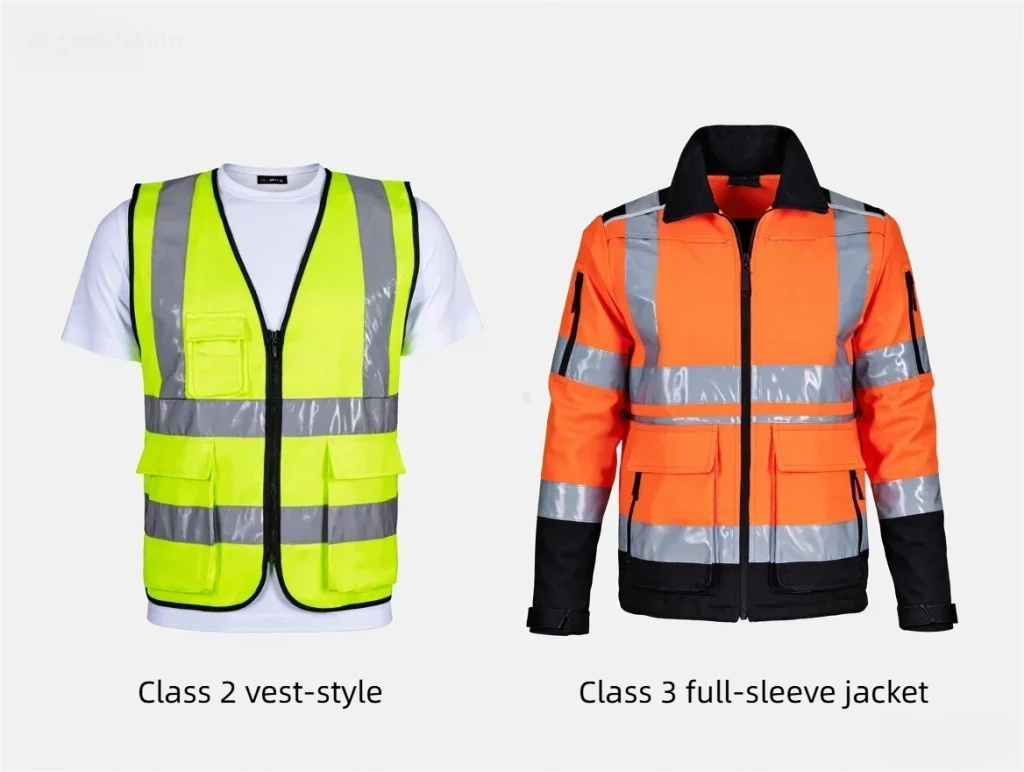
ANSIクラス3安全ジャケットとクラス2安全ジャケットを比較すると、多くの作業者がどちらを使うべきか分からず岐路に立たされています。これは些細な違いに思えるかもしれませんが、安全装備においては些細な詳細が生死を分けることもあります。高視認性シャツ、反射シャツ、安全シャツを着用する際には、職場での保護に適したANSI分類を正しく知ることが重要です。
ここでは、全体の流れを順に解説する、完全で永続的に整理されたガイドをご紹介します。
ANSI規格の知識:安全の言語。
ANSI/ISEA 107規格は、安全服の視認性、反射テープ、デザイン特性の基準を定めています。建設、交通、倉庫、道路、空港、公共事業、産業分野の従業員に厳格な基準を課しています。
ANSI規格が保証するもの:
- 最低限の視認性レベル
- ヘッドライト下で必要な反射性。
- 色の明るさ
- 全身をカバーするデザイン
安全ジャケットのクラスが思ったほど偶発的でない理由。
適切でないジャケットを着用すると、次のような事態を招く可能性があります:
- 車があなたに気づくのが遅れる。
- 暗所での視認性低下。
- 作業現場の規制違反。
- 職場での罰則
- 事故リスクの増加
着用する安全ジャケットは、昼夜を問わず、距離に応じて目に対するあなたの視認性を直接左右します。
競合のご紹介:クラス2 vs クラス3。
比較を行う前に、それぞれを定義した方がよいでしょう。
ANSIクラス2安全ジャケットとは?
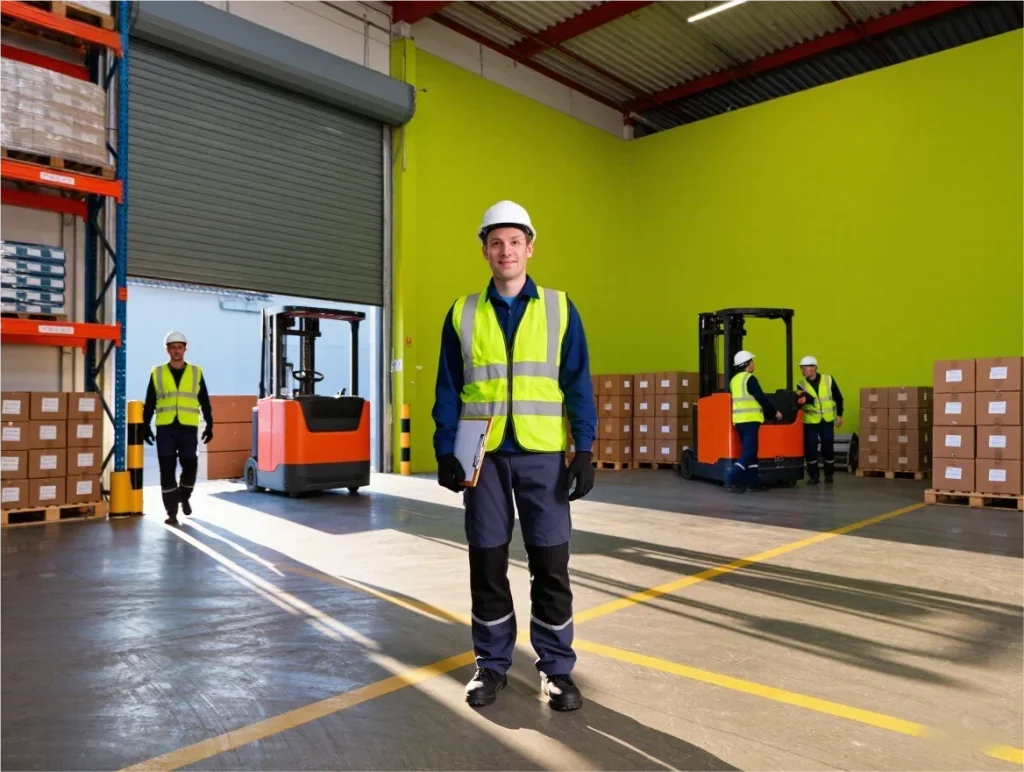
ANSIクラス2ジャケットは、時速50マイル未満の交通と十分な照明が特徴の環境に適しています。
- クラス2衣服の基本的な本質。
- 胴体の視認性を向上
- 中リスク環境で作業者が目立つようにする。
- 軽量で快適な着心地を提供。
クラス2ベストの特徴的な用途。
- 駐車場
- ショッピングセンターの交通誘導。
- 倉庫の積み込みエリア
- 日中のユーティリティ作業
- 住宅街でのプロジェクト。
ANSIクラス3安全ジャケットとは?
クラス3のジャケットは、エリア内で最も視認性に優れています。
クラス3装備による安全性の向上。
クラス3の衣服には以下が含まれます:
- 反射テープ付きの袖。
- 低背景蛍光性の向上。
- より広い身体のカバー範囲
高リスクと見なされるシナリオでは、クラス3ジャケットが必要です。
- 時速50マイルを超える交通量での道路工事。
- 夜間の建設作業
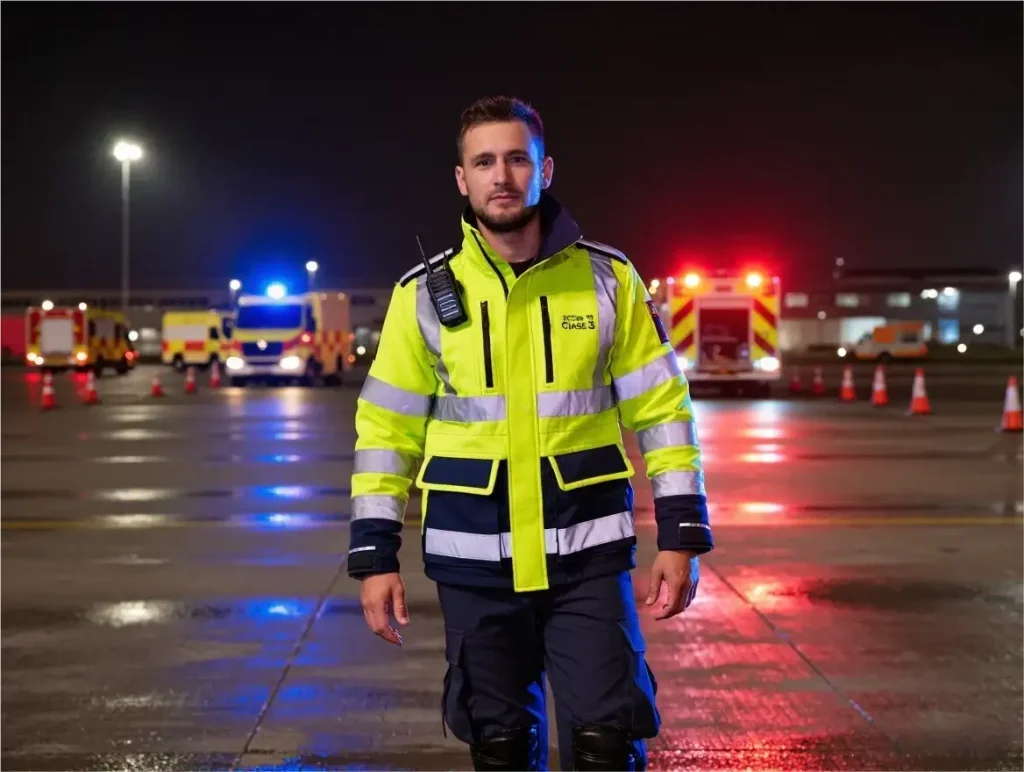
- 緊急対応
- 空港の滑走路
- 産業用高速道路の現場
重要な違い:視認性とカバー範囲
を分ける最大の要素は ANSIクラス3安全ジャケット対クラス2 は カバー範囲.
クラス3は袖を含み、これにより反射表面積が劇的に増加します。
ANSI 107規格の要件を詳しく解説
以下はANSIガイドラインに基づく簡単な内訳です:
背景素材と再帰反射テープの比較
| 特徴 | クラス2 | クラス3 |
| 背景素材 | 775 sq. in. | 1240 sq. in. |
| 反射テープ | 201 sq. in. | 310 sq. in. |
| Sleeves Required | No | Yes |
| 視認距離 | 中 | 最大 |
| Traffic Speed Suitability | < 50 mph | > 50 mph |
The Sleeve Factor: How Arms Change the Safety Game
There is continuous movement of arms during work.
The movement causes reflective sleeves to be seen immediately in the headlights creating a faster recognition of a human shape by the drivers.
In Class 2 clothing, there is no lighting of arms that decreases motion visibility.
A Parallel Examination of the Visual Dissimilarities.
クラス2
- Vest-style
- No sleeves
- Medium background fabric
- Moderate reflective area
クラス3
- Full-sleeve jacket
- Maximum body coverage
- Somewhere on the stylus, the highest reflective tape area is located.
- Obvious figure in the great distances.
Comparisons of Performance Under Light: night visibility.
During the night; the consideration of reflectivity is more important than color. Class 3 jackets reflect more than 50 percent more light, which provides a clear outline of the body of a worker.
Daytime Visibility: Which Color is more salient?
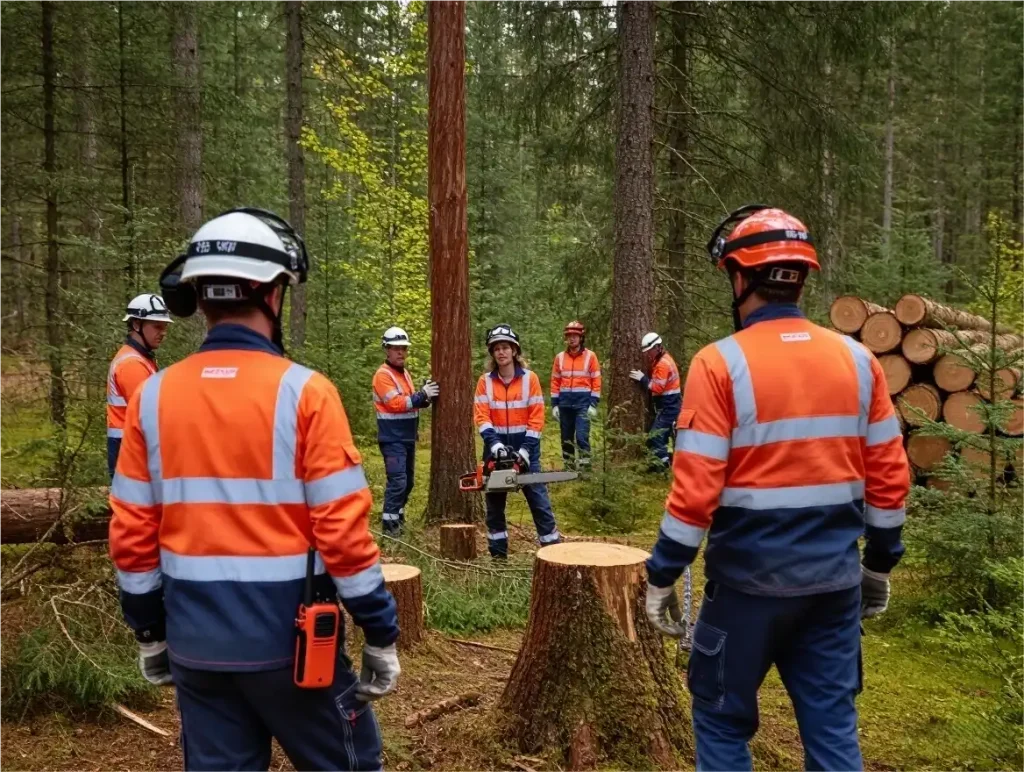
Yellow-green is normally good at high visibility.
Forestry or traffic crews prefer orange to be used to contrast the natural backgrounds.
The Class 2 and Class 3 garments are both made with the same fluorescent colors, but it is the coverage that distinguishes the two.
Durability and Design: More than Visibility.
- Common Material used in each class.
- Polyester mesh
- Ripstop fabric
- Breathable shells that are waterproof.
- Class 3 winter gear: Thermal liners.
- Reflective microprism tape
In other cases, extra layering causes class 3 jackets to be heavier and more durable.
Taking into account Fit, Comfort and Mobility.
Class 2 vests:
- Very lightweight
- Easy to wear over clothe
- Maximum airflow
Class 3 jackets:
- More coverage
- Slightly heavier
- Prefer being in cold or a windy day.
Work Longevity and Weather Resistance.
Class 3 jackets can often contain:
- Wind protection
- Waterproof coating
- Heat insulation
This enables them to be used in extreme weather workplaces.
- The Right Choice to Your Job Site.
- Evaluating Your Work Place Hazards and Lighting.
- Consider:
- Speed of traffic around the work area.
- Extremophiles Visibility in early morning or evening.
- Presence of heavy machinery
- Weather conditions
- Company safety rules
Guidelines and Regulations that are Industry-Specific.
建設: Designation 3- high-speed zones.
Traffic control: Class 3 suggested.
Warehousing: Class 2 adequate indoors.
Utility work: Day class 2, night Class 3.
Emergency response: Class 3 essential.
Should Class 2 Be Good Enough to Keep You Safe?
- Daylight tasks
- Indoor or warehouse work
- Low traffic areas
- Medium-risk situations
When Do you need to upgrade to a Class 3 Jacket?
- Night operations
- High-speed traffic roads
- Severe weather
- Poor lighting conditions
- Occupations that need long distance visibility.
Critical Cost of Making a Wrong Choice.
Making the wrong decision of Class 2 over Class 3 in a high-speed zone may lead to:
- Accidents
- Legal consequences
- OSHA violations
- Reduced worker protection
Dispel the Darkness of Equivalent Myths of High-Vis Wear.
Myth 1: The Determination of Class is Just through the Color.
False.
Coverage and reflective tape- not color.
Myth 2: Multiple Layering is Compliant by Nature.
Layering causes less visibility except when the topmost layer is ANSI qualified.
ANSI Class 3 vs Class 2: A Quick-Reference Comparison Matrix
| Category | クラス | Class3 |
| Safety Level | 中 | highest |
| Sleeves | No | yes |
| Suitable for | Moderately risky job sites | High-risk, low-light, high-speed zones |
| Best for | Daytime,warehouse,retail | Night work, highways, emergency work |
Selecting and Maintaining Your Safety Jacket
Proper Fit: Ensuring Your Jacket Works as Intended
Loose or tight jackets lead to a low reflective visibility.
Fit must be easy to move around and tape can always be seen on every side.
Checking and Maintenance of Long-run performance.
- Crack refugee reflective tape.
- Wash in cold water
- Avoid harsh chemicals
- Air dry as opposed to machine dry.
- Replace worn-out panels
The timing of when to change or simply retire your safety gear.
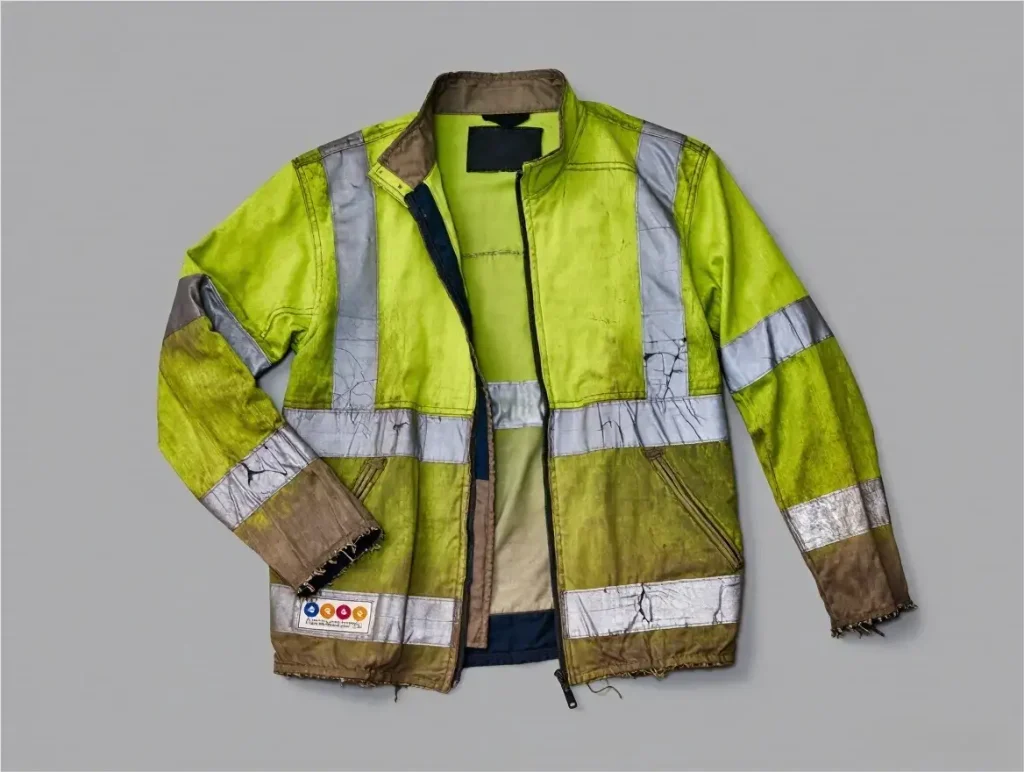
Replace your jacket when:
- Reflective tape increases the lack of shine.
- Colors fade
- Fabric tears
- The ANSI label is made illegible.
The Bottom Line: What is Your Personal Safety?
Summary of the Macro Differences Recap.
- Class 2: Medium coverage that is ideal in the daytime.
- Class 3: Full coverage, which is necessary in high-risk conditions.
- The actual game changer is sleeves.
- The greater the reflective, the more protection.
Visibility is your safety and never be compromised.
Finally, a decision between the correct ANSI class 3 safety jacket and class 2 can be the matter of being observed or overlooked. To be as safe as possible, it is essential to ensure that you select the class that corresponds to the level of risk in your job, the level of lighting and the speed of traffic.