

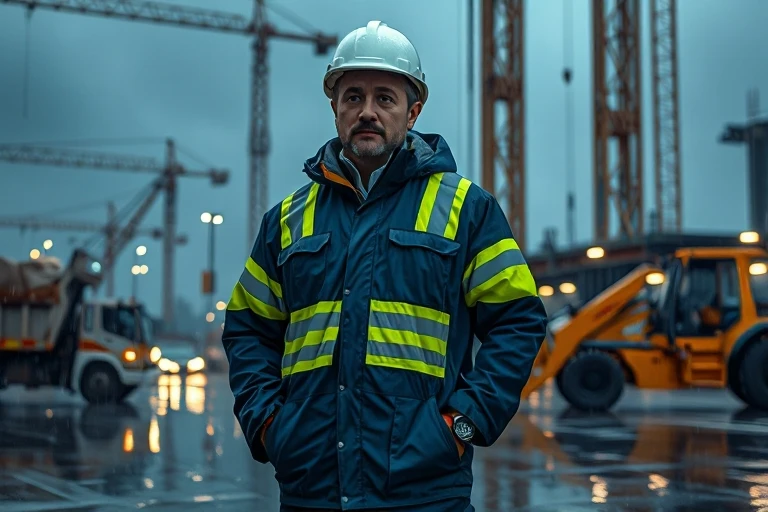
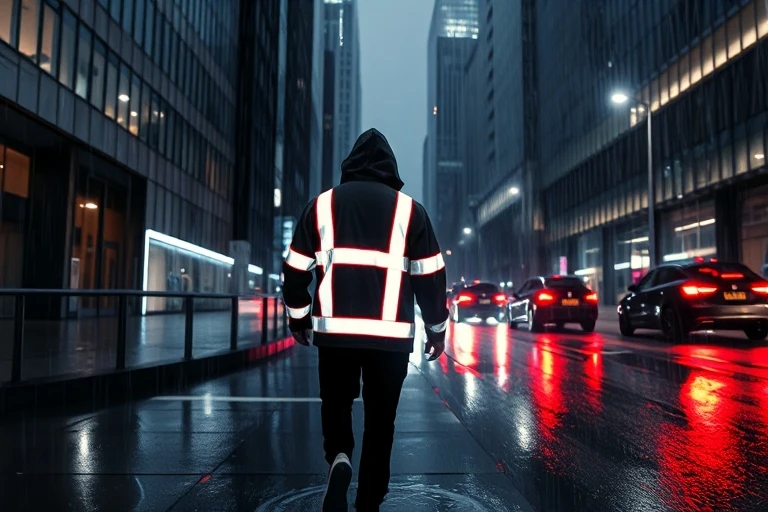
Choosing a waterproof reflective jacket is crucial for staying warm and dry during outdoor days. Rain can suddenly occur at any moment, which can lead to something else when the body is soaked. As a result of this, you should get a waterproof jacket to keep you safe from hazardous conditions. Moreover, as a construction company or warehouse worker, I know that waterproof reflective clothing is necessary for different safety measures.
However, the most challenging thing workers experience today is choosing the best waterproof reflective jackets. Therefore, we shall guide you through selecting the best waterproof jackets, breaking down the factors to look for before choosing one. As we approach, clutch with us as we unravel the guide.
What is a Waterproof Reflective Jacket?
A waterproof reflective jacket is designed to overcome heavy rainfall, snow, or wind particles. Regard these jackets as your protection, shielding you from dangerous elements. They are made from efficient materials that help to keep water off the clothing surface, providing comfort within your body. Moreover, reflective jackets made from bright fabrics are worn to keep workers visible in low-light environments. Construction workers, pedestrians, and traffic workers commonly use waterproof reflective jackets. They leverage it to make them visible within the midst and noticeable by drivers, preventing immediate accidents.
However, many people are confused about waterproof, water repellent, and water resistant, which leads them to choose the wrong reflective jackets. Therefore, let’s examine their differences to help you understand how waterproofing works.
Understanding Waterproofing Technology in Safety jackets
Knowing the difference between water-resistant, waterproofing, and water-repellent is crucial. It will determine the type of jackets you need for your work area, such as construction or a road site. They are also pivotal for a reflective jacket that suits your workplace weather. Now, let’s break each of them down. Understanding the differences between water-resistant and waterproof jackets is crucial when selecting outerwear for various weather conditions. Water-resistant jackets offer basic protection with a DWR coating, ideal for light rain. In contrast, waterproof jackets provide superior defense with taped seams and a waterproof membrane. This guide explores these features, ensuring you stay dry and comfortable.
Waterproof vs Water-Resistant vs Water-repellent
Water-Resistant:
Water-resistant jackets are designed with a Durable Water Repellent (DWR) coating that keeps water from penetrating the clothing. This coating lets water particles stay on the clothing surface while rolling off. Note that they hold off water because moisture may pass through after being used multiple times or during heavy rains.
Waterproof:
Waterproof jackets are designed to provide rigid protection against wet conditions. They are made with strong waterproof fabric with covered seams and stripes. These elements work together to provide rigid protection, ensuring no water gets through the fabric in hazardous or any weather conditions.
Water-repellent:
Water-repellent coatings are similar to water-resistant coatings but have a slight difference in terms of their hydrophobic properties. Water repellent has a high resistance to survive water drops for a longer time. Also, the repellent coating is made with thin film fabric, allowing water particles to stay on the clothing without getting through. However, they are less durable and may need reproofing after a certain length of usage or several washings.
How Does Waterproofing Work?
The process of how waterproofing works is divided into three layers.
The Outer Layer: The outer layer of reflective jackets is their face fabric, which is often made of polyester or nylon. Durable water repellency (DWR) is often applied to the surface to aid external protection from any elements. DWR does not have the same meaning as waterproof; it is the first protective layer to prevent fabric loss.
The Membrane: This is the layer by which the waterproofing works. These layers are designed with Teflon, which has a thin hole, permeating the surface for water to pass through and vapor to get out. However, Teflon becomes less dense when it comes in contact with oil. Due to this, polyethylene elements are added to purify it.
Inner layer: Lastly, the inner layer is covered to facilitate pure breathing. The outer layer and membrane are attached to this surface, providing a full waterproofing effect. Light Waterproof jackets with one layer( the outer layer) of coating often lose their waterproof layer over time; likewise, the second layer. Therefore, a waterproof jacket with three layers of coating will offer the best protection against any conditions or difficulties.
Waterproof Ratings
The rating of waterproof clothing ranges from 1500 to 20,000 mm. The higher the rating, the higher the waterproofing. In most cases, it depends on the condition of your working environment.
0 – 1,500mm – Water resistant
A minimum waterproof rating is required for areas with low rainfall. Note that this range of rating won’t overcome hard rainfall, as they have a soft and flexible waterproof surface.
Up to 2,000mm – Waterproof
Jackets up to 2,000mm are made for typical street use and other purposes. This range of jackets will withstand snow and other downpours. However, they are prone to soaking after a particular period of rainfall or heavy snow.
Up to 5,000mm – Waterproof

A rating of up to 5,000mm applies to various weather conditions. Still, it is also used for trekking in minimal rainfall across the mountains.
Up to 10,000mm – Extreme waterproof
Jackets rated 10,000mm can withstand heavy rain and harsh weather. This range of waterproof ratings can hold off water drops through a deep coating, avoiding elements from getting through.
Breathability in Waterproof Jacket
Good reflective jackets are designed to have a high level of breathability. Breathability is the ability to keep water from getting to the body and provide a stable flow of breathing. However, there is a misconception about breathability being a necessity in waterproof jackets.
Breathability is the ability to allow air to flow through and sweat to evaporate in waterproof clothing. Hence, rigid breathable fabrics help maintain the body temperature by allowing air to escape. With breathability and waterproofing in reflective jackets, workers will feel warm and comfortable throughout their working days.
Now, let’s talk about the style of waterproof jackets. There are a few main types:
Types of Waterproof Reflective Jackets
a) Shell Jackets: Lightweight Shell jackets
A Lightweight waterproof reflective jacket has a warm coating that provides comfort and more rigid protection in harsh weather. These shell jackets are often waterproof with 8000mm. They are well fit and suited to the worker’s body as they are made to be versatile and flexible.
Moreover, they are lightweight, which makes them packable. They provide standard waterproofing and breathability and are suitable for diverse weather conditions, making them a perfect match.
b) Insulated Waterproof Jackets
These jackets feature a waterproof layer with insulation to provide warmth when worn. They combine insulation and waterproofing elements, making them suitable for cold and wet weather.
c) 3-in-1 Jackets
These types of jackets offer a high level of versatility for the softest weather situations. They come with inner sleeves for workers to use solely on hot days. While they are a perfect choice, they are more costly than lightweight shell jackets.
Key Features to Consider When Choosing a Waterproof Jacket
- Waterproof and Breathability Ratings
Waterproof ratings( in mm) define the ability of a reflective jacket to withstand water pressure.
However, a reflective jacket with a waterproof rating of 10,000mm can withstand minimal rain. In comparison, a 20,000mm rating covers heavy rainfall.
The breathability ratings of a waterproof jacket are divided into RET (Resistance to Evaporative Heat Transfer) and MVTR (Moisture Vapor Transmission Rate). RET shows how effectively the jacket allows moisture to vaporize. A jacket with Lower RET defines better breathability, while higher MVTR numbers show better moisture movement.
反射ジャケットは防水性と透湿性のバランスが重要です。防水性が高ければ作業者をドライに保つことができるが、透湿性が低いとジャケットの中で汗をかくことが多くなり、快適性が損なわれる。
- 縫い目とジッパー
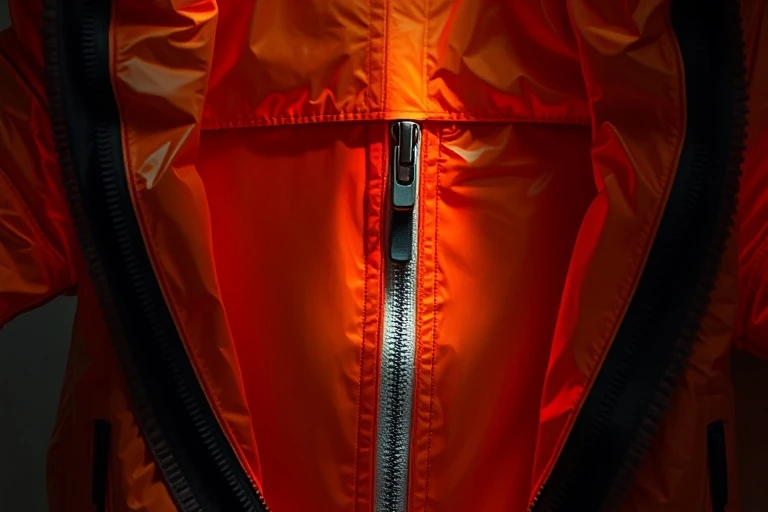
防水レインジャケットには、効果的な縫い目とジッパーが不可欠だ。
縫い目が完全にテープ処理されているジャケットは水の浸入を防ぎ、濡れた路面への露出から高い保護力を発揮する。防水布の縫い目のテープ加工が不十分な場合、激しい雨の際に漏水する可能性がある。
防水ジッパーは防水ジャケットのもう一つの重要な要素である。これらのジッパーは多くの場合、水の浸入を防ぐためにコーティングされ、設計されています。ジッパーは、あなたが水に接触したとき、あなたの体を乾いた状態に保ちます。
- ポケット
素材を濡らさないよう、防水ポケット付きの反射ジャケットを探そう。さらに、サイドポケットやフロントポケットなどの位置や、より多くの装備の収納も考慮しよう。いずれにせよ、内ポケットは激しい雨の中で安全に収納するために使われる。
- フード
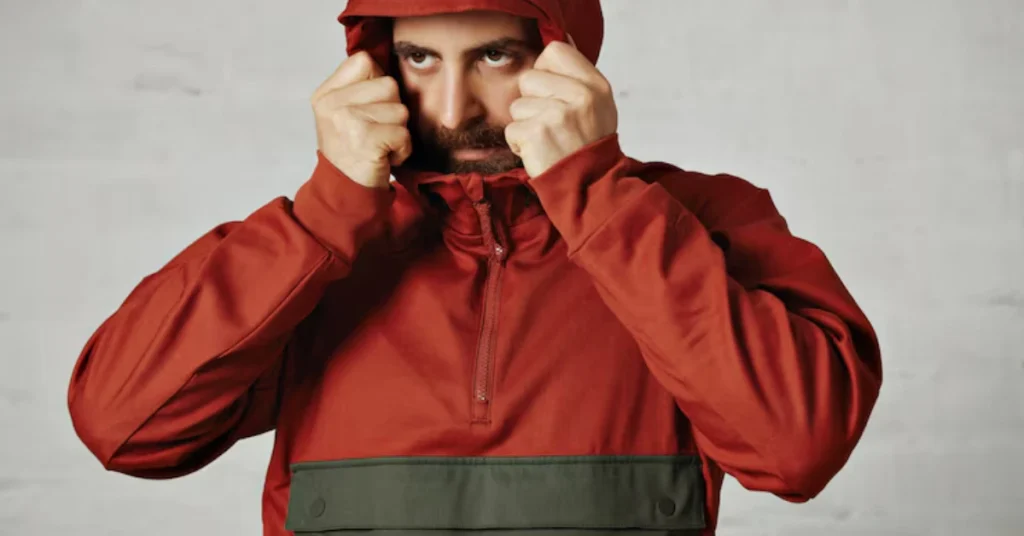
防水反射ジャケットのフードデザインには、調節可能なオプションと取り外し可能なオプションがあります。調節可能なフード付きの反射ジャケットは、頭や顔を不快感なく保護します。
- 換気
ピットジッパーを装備し、防水加工を施さずに熱を逃がし、体温調節を可能にした。これはタフな作業や過酷な作業時に役立つ。
防水反射ジャケットの用途と使用例
防水反射ギアは、次のようなさまざまな分野の仕事に必要である:
1.建設現場
建設作業員は、作業中の視認性を高め、天候から身を守るために防水反射材を使用する。このような現場では様々な機械が使用されるため、事故防止のために反射ジャケットも必要です。
2.沿道整備
道路作業員の間では、安全対策として防水反射ジャケットが広く活用されている。ドライバー間の視認性や、光の少ない場所での視認性を確保するために反射ジャケットを活用している。
3.倉庫および海運業
倉庫作業員はまた、厳しい天候の状況下で保護するために防水反射ジャケットを使用しています。ほとんどの倉庫作業員は、重い荷物や機械から離れられないため、視認性の高い反射ジャケットを着用する必要があります。
4.緊急事態
防水反射服は、緊急時に作業する人にも適用され、わずかな作業員の識別が大きな損失や困難につながることがある。したがって、すべての作業員がよく見えていれば、事故のリスクは低くなる。
長持ちさせるためのお手入れとメンテナンス
1.洗浄とクリーニング
防水反射ジャケットの効果を持続させるには、定期的な洗濯とクリーニングが欠かせません。以下のヒントを参考に、適切な洗濯を行ってください。
洗濯方法
- 適切な洗濯方法については、防水ジャケットの取扱説明書をご確認ください。
- 色あせや脱色を防ぐため、柔らかい洗剤を使用してください。硬い洗剤を使うと、防水加工や素材がすぐに傷んでしまいます。
- 素材の完全性を保つため、防水ジャケットはきれいな水で洗ってください。
- シミがある場合は、シミ抜き剤が必要です。すすぎ洗いをする前に、柔らかい洗剤と一緒にシミにやさしくお使いください。
- 清潔さを保つため、反射テープや表面にほこりが付着しないよう、室内干しをしてください。
- 衣類は日光を避けて保管してください。落ち着いた環境で乾燥させ、暖かい場所で保管してください。
しかし、購入したジャケットのお手入れ方法を読むことは極めて重要だ。ジャケットを正しく使用し、長持ちさせるために必要なすべての手順が説明されている。スポットのクリーニングには、除菌効果のある洗剤を使い、表面に優しく塗布してください。
2.適切な保管
防水ウェアを長く使うためには、適切に保管することが不可欠だ。
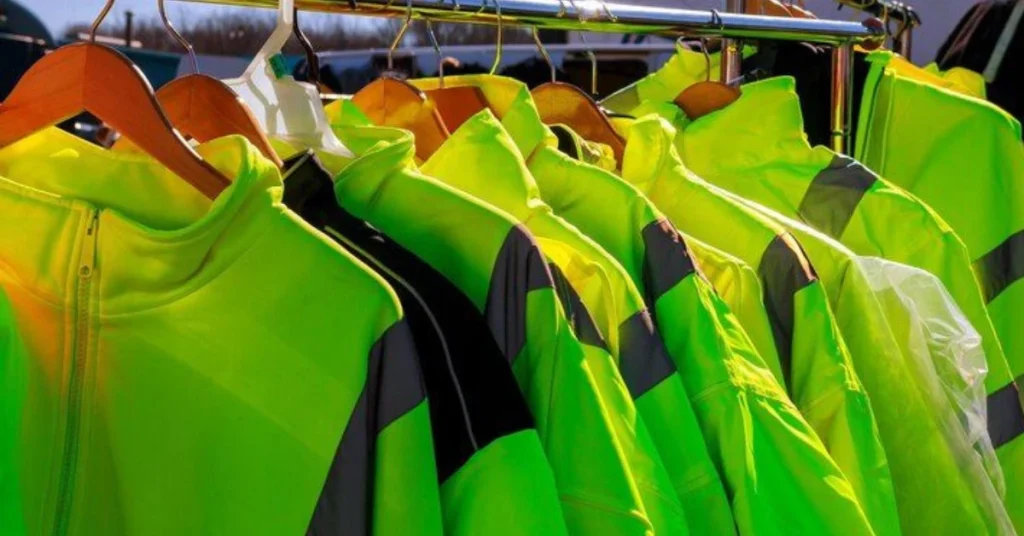
- 色あせと磨耗を防ぐ: ジャケットは涼しく乾燥した場所に保管し、色あせの原因となるため日光には当てないでください。吊るす場合は、摩耗の原因となりますので、粗い布地に触れないようにしてください。
- 濡らさないこと: カビが生えるのを防ぐため、衣類が乾いていることを確認してから保管すること。これは、湿気にさらされることの多い建設現場で使用される反射ジャケットにとって非常に重要です。
3.定期点検と修理
防水ジャケットを長持ちさせるには、定期的なチェックも欠かせない。点検の際、小さな傷や摩耗を見つけ、それが大きくなる前に修理することができます。
ちょっとした修理のコツ
- 小さな裂け目がないかチェックし、ダメージが大きくならないよう即座に修理する。
- ファスナーの破損が見つかった場合は修理し、期間を延長する。
結論
防水反射ジャケットは、過酷な条件下で安全を確保するための優れた方法である。反射ストライプが特徴で、光量の少ない作業現場でも作業員の視認性を維持する。建設作業員や倉庫作業員から始まり、彼らは高い視認性のために防水反射ジャケットを利用し、危険な湿気から体を守り、安全でドライな状態を保ちます。
最高の防水反射ジャケットを選ぶためのガイドを理解した今、あなたの職業に合った信頼できる安全反射ギアを探す時が来た。正しい防水反射ジャケットを選ぶことで、最大限の安全性とプロテクションを提供することができます。n.