

Introduction: Why Safety Reflector Coats Aren’t Just a Fashion Statement
You see somebody in a brilliant jacket at night that is not a matter of style, it is a matter of safety. The safety reflector coat is not just another outer garment, it is life-saving equipment. Designed to keep you conspicuous at the construction sites as well as in the bike paths, these coats serve to ensure that people notice you when it is most needed. But then you must have wondered just what it is that is put to make them shine so brightly? Entering into the world of interesting materials that ensure the protection and functionality of safety reflector coats, we should mention that these materials also make them sound.
The Importance of Visibility in Safety Gear
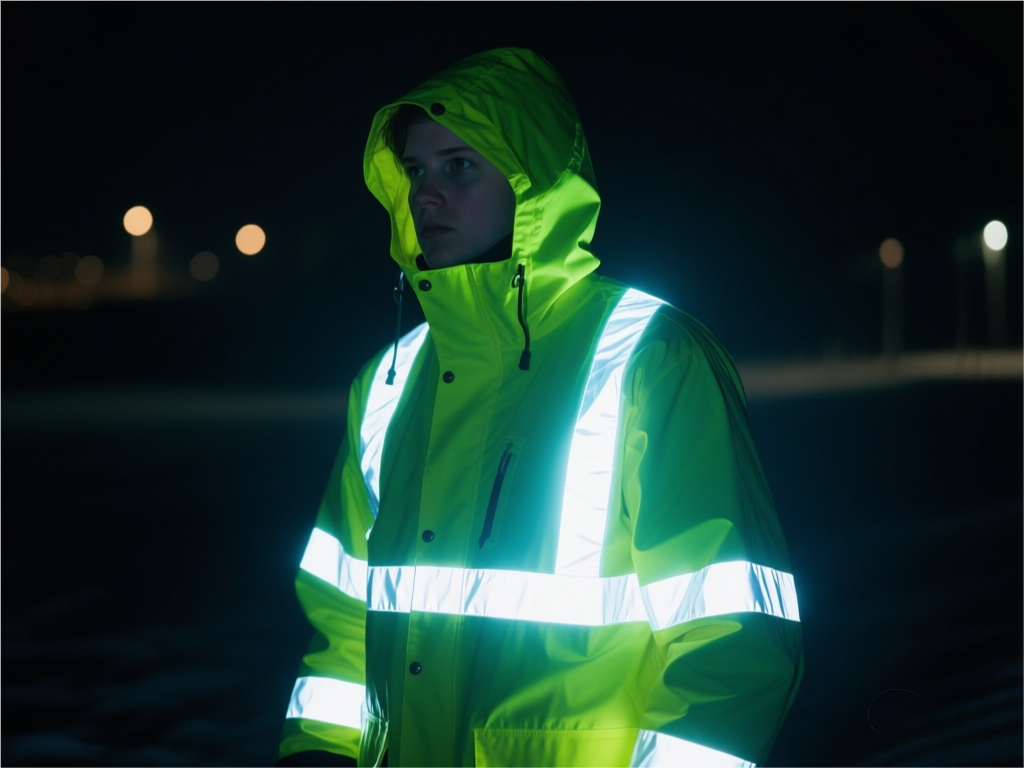
A close call may be a tragic accident due to visibility. Reflective clothing also makes certain that the light emitted by automobile headlights, streetlamps or even flashlights is reflected back to their source, making the wearer in sightless. This is the reason why safety reflector coats are necessary in construction, road work, emergency departments and even joggers or cyclists who use the same roads with the vehicles.
Not Just for Construction Workers: Safety Reflector Coats in Everyday Life
Although we tend to think of reflective coats as the clothes worn by employees on dangerous shifts, they have found their way into our everyday life as well. Reflective protection is useful to delivery riders, night joggers, cyclists and even children walking home after school. Everyone can see it, not just the hard hats.
The Basics: What’s in a Safety Reflector Coat Anyway?
A safety reflector coat is in essence a mix of:
- Base fabric: This is the primary fabric such as polyester, nylon or cotton.
- Reflective materials: Glass beads, micro prism or retro reflective tape.
- Protective covers: e.g. polyurethane (PU), PVC or Gore-Tex.
- Add-ons: Comfort, weather stripping and insulation are provided in form of mesh panels, linings and insulation.
Materials that Make You Shine (Literally)
| Material | Pros | Cons | Best For |
| Polyester | Lightweight, durable, affordable | Less stretch, less airy | Daily wear, jogging, cycling |
| Nylon | Strong, flexible, weatherproof | Pricier, slightly heavy | Construction, extreme weather |
| Cotton | Soft, breathable, comfortable | Not reflective, absorbs water | Inner lining, mild use |
| PU Coating | Waterproof, keeps warmth in | Can reduce breathability | Rainy conditions |
| PVC | Tough, waterproof, shiny | Heavy, less breathable | Industrial & wet conditions |
| Gore-Tex | Premium, breathable, waterproof | Expensive | Extreme outdoor work |
The enchantment of the safety reflector coat is in its parts, which are reflective. In contrast to normal cloths, reflective elements receive light and reflect it on the point of light source, creating an appearance of glowing in the darkness.

The Difference Between Safety Reflector Coats and High-Visibility Jackets
They are not interchangeable, even though they are commonly used interchangeably. The high-visibility jackets concentrate on the bright neon colors such as fluorescent yellow or orange. However, safety reflector coats are made with high-vis fabrics with reflective tape that will provide a two-layer visibility-day and night.
The Fabric Under the Spotlight: Polyester – The Unsung Hero
Lightweight but Strong: What is So Special about Polyester.
The most widespread base type is polyester. It is not heavy, does not get wet, and is tough enough to withstand hard work.
Breathable But Tough: A Clothing that is Mindful of Comfort.
Today polyester blends are made to be pervious to airflow eliminating overheating and at the same time tough against wear and tear.
Nylon: Strong Enough to Reflect Your Brilliance
Hardcore like Nails, Bendy like a Yoga Teacher.
Nylon is better in strength and is flexible, hence suitable to heavy duty coats.
Weatherproof Wonders: The Nylon Stands the Test of Time.
Nylon can resist rain, wind. It has an added layer of protection with its water resistant characteristic thus suitable in the tough conditions.
The Reflective Bits: What’s That Shiny Stuff?
The glow is not generated by the cloth of the coat – it is retroreflective.

Retroreflective Tape: The Role.
Coats have stripes or patterns of reflective tape sewn on them. This tape has contents that reflect light back to the source hence making the wearer look lightened.
Glass Beads vs. Microprisms: The Reflective Dominance Struggle.
Glass beads: These are tiny beads incorporated in the tape that are scattered to reflect back the light. They are cheap and have extensive usability.
Microprisms: More innovative, they reflect more light over a greater distance using prism like structures. This type of technology is common with premium coats.
Cotton: The Comfort King, but is it Reflective?
Pillow, Soft as it is, Can it Glow in the Dark?
Cotton is breathable, soft with no natural reflectivity. It in itself does not make a safe reflective coat.
Blasting Cotton and Polyester: Dynamic Duo.
Cotton when mixed with polyester contributes to comfort whilst polyester adds durability and support reflection.
Polyurethane Coating: Adding a Layer of Protection
Covering Water Out and Warmth In.
PU coats are waterproof but not bulky.
The Invisible Shield: PU Coating: Working of Safety Reflector Coats.
It is a thin, stretchable coating on top of cloth, which keeps the rain out but the interior warm.
Gore-Tex: For Those Who Demand Both Safety and Performance
Waterproof and Breathable: The Two Towers.
Gore-Tex is a luxury choice. It offers full waterproofing and is breathable- ideal in extreme situations.
The Radiant Option of Severe Weather.
Gore-Tex coats are more costly, but they are the favorite of those who have to work in the cold, wet, or windy case.
Mesh Panels: Because Even Safety Gear Deserves to Breathe
Cooling Down and At the same time being safe.
Mesh panels also enhance airflow, which prevents the occurrence of overheating during the physical activity.
How Mesh Provides Protection and at the same time makes it comfortable.
Mesh has been strategically placed so that the sweat can pass through the mesh yet the areas that are reflectionary provide safety.
The Magic of PVC: Shiny, Flexible, and Durable
Weatherproof and Ready to Go.
The reflective gear is usually made waterproof with PVC coating and more robust.
The Multipurposeness of PVC in Reflector Coats of Safety.
It is possible to put a polyester or nylon under the PVC to make them a flexible jacket that is weatherproof and at an affordable cost.
Polyester vs. Nylon: The Ultimate Showdown
- Polyester: And cheaper, light and dry.
- Nylon: It is stronger, more stretchable and less susceptible to the weather.
Advantages and Disadvantages of Polyester and Nylon Reflector Coats Safety.
- Polyester = Customer-friendly every day.
- Nylon = Good in high usage, extreme conditions.
Why Layering Materials is Key: The Secret to Ultimate Comfort and Safety
The Art of Co-blending Clothes to the highest effect.
Majority of coats combine fabrics i.e. soft n linings to make them comfortable, hard outer surfaces to make them protective, and reflective tapes to make them safe.
Soft Inside, Hard Out: Tough Shells.
Reason fleece or cotton inside, polyester/nylon outside- have the best of both worlds.
Lightweight vs. Heavy Duty: Choosing the Right Jacket for the Job
- Lightweight coats: Ideal for joggers, bicycle or commuters.
- Heavy-duty coats: These are needed in constructions, emergency and industrial work.
Reflective Tape and the Glow That Keeps You Safe
The Reflective Tape Retroreflective How light Reflects to make you visible.
It refracts and reflects the light straight back to the source.
The Magic of the Reflective Tape.
Either of glass beads or prisms, it will give the highest visibility in the dark.
Customizing Your Jacket: Can Reflective Fabrics Be Colored?
A Pint of Colour, a Dash of Security.
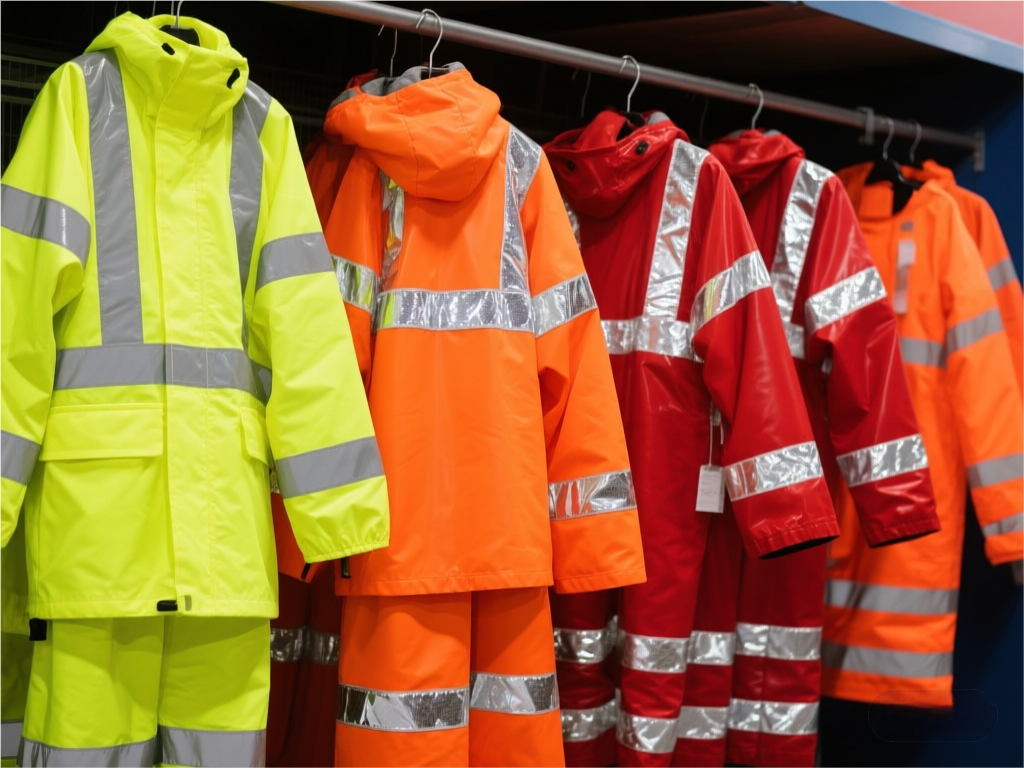
Reflective tape does not necessarily need to be silver, it also comes in yellow, orange and red.
The reasons why Fluorescent Colors are important to the Safety Reflector Coats.
The use of neon color in combination with reflectivity makes the color visible in daylight and at night.
Are All Safety Reflector Coats Created Equal?
The Cheap vs. Premium Range of Materials.
Only polyester and glass beads may be used in the budget coat, whereas the high quality ones utilize nylon, microprisms, and Gore-tex.
Sturdiness in the Long Run: The Performance of Fabrics to Wear and Tear.
Better quality fabrics do not lose reflectivity, tear and fade with subsequent washes.
Washing and Maintaining Safety Reflector Coats: Protecting Your Investment
Is it impossible to wash your Safety Reflector Coat till it is Sparkleless?
Yes–but be sure you use soft detergents, do not use high-heat drying.
A Guide to the Ideal Maintenance of Your Reflective Gear.
Wash by hand or in the washing machine on soft settings, dry up by hanging clothes and do not iron reflective tape.
Specialized Materials for Extreme Conditions
- Very cold: Nylon or Gore-Tex coats which are insulated.
- Fire resistance: Hazardous environments: Aramid fibers such as Nomex.
Eco-Friendly Options: Can Safety and Sustainability Coexist?
Is There a Green Coat that Shines so Bright?
Yes–reflective clothing manufactured using recycled polyester is now being invented by manufacturers.
The Resurrection of Recycled Materials in Safety Reflector Coats.
Reflective coats that are eco friendly are currently increasing and are a combination of safety and sustainability.
Conclusion
Not Just for Road Workers – The Safety Reflector Coat Revolution
A safety reflector coat is not merely protective working attire, it is becoming ordinary clothing that is comfortable, durable, stylish and life-saving in terms of its visibility. These coats are produced in polyester, nylon, Gore-Tex, eco-friendly materials, and so on. These coats are made to make you shine like a star and get safer. Therefore, you will be better off as a safety reflector coat when you are working in the construction site, when you are on the bicycle during the night, or when you are just taking your dog at night.