






はじめに
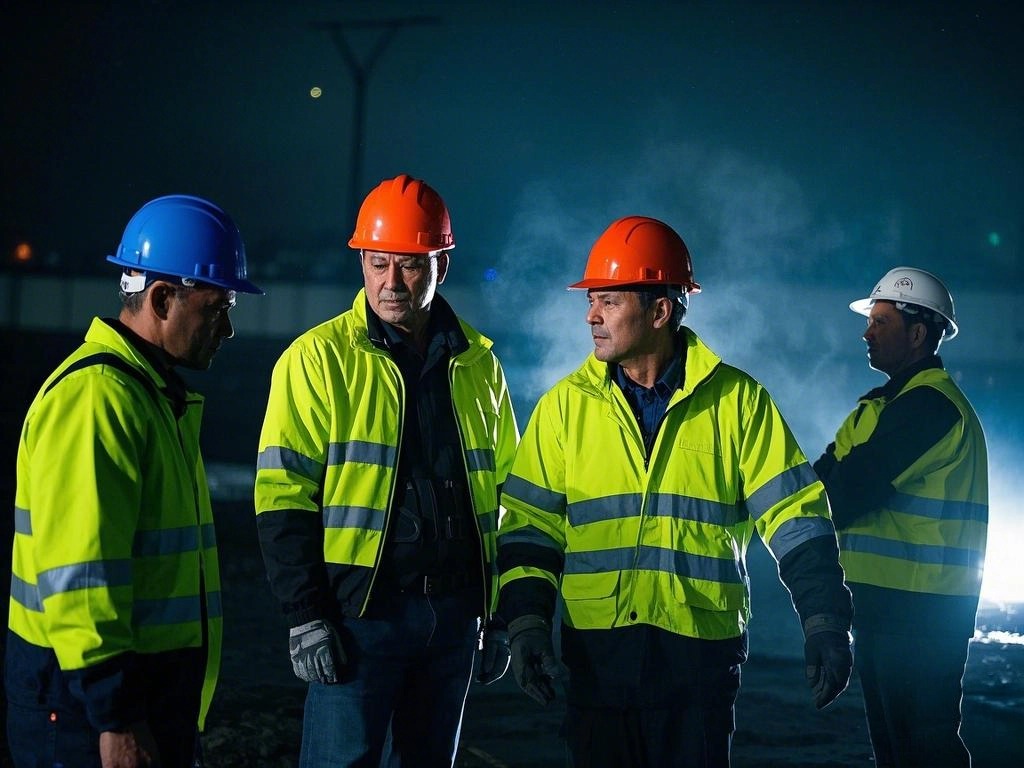
Working at night has its challenges. Safety is the priority. Risks like low visibility, fatigue, and the environment raise accident chances. Addressing these risks with effective measures ensures safer conditions. It also helps minimize hazards.
- Understanding the Risks of Working at Night:
It is hard to concentrate. One is working in dim light, tired, and adjusting to night hours. This raises the chances of accidents.
- How Low Visibility Impacts Safety:
Darkness, fog, or poor lighting hide dangers. They can cause falls, crashes, or equipment failures. Bright and reflective clothing, such as a safety work jacket, provides workers with safety.
The Hazards of Low-Visibility Environments
- Reduced Visibility Increases Accident Risk:
Restricted visibility raises accident risks for workers. Workers in low-visibility conditions are at greater risk. They lack essential reflective gear, like Class 3 or blue safety jackets. This gear would help machine operators and vehicle drivers see them.
- Fatigue and Disorientation:
Night shifts cause fatigue and disorientation. This leads to a loss of focus and slower reaction times. High-visibility gear, like radwear or green jackets, keeps workers safe and alert.
- Weather and environmental conditions impact safety.
Workday weather can fog lenses, reduce visibility, and freeze surfaces. It makes them dangerous. Once again, personal reflective safety jackets are vital. They include women’s and big-and-tall safety jackets. They keep workers visible and safe.
Essential Safety Gear for Night Shift Workers
Safety equipment is very important for night shift workers to keep them visible and safe. High-visibility clothing and reflective gear are key tools for risk prevention.
- High-visibility clothing is the most critical.
In low light, workers are very visible. They wear bright colors like blue or neon green with reflective tape. Women’s safety jackets, safety work jackets, and big-and-tall safety jackets keep all workers safe and comfortable.
- Why Reflective Gear is a Must for Night Shift Safety?
Reflective clothing, like Class 3 safety jackets, boosts visibility. It reflects light from vehicles and equipment. It is indispensable in ensuring workers remain visible even in adverse weather conditions.
Reflective Clothing: Enhancing Visibility in the Dark
Reflective apparel will ensure that the night shift employees stay in plain view and secure when there is limited illumination.
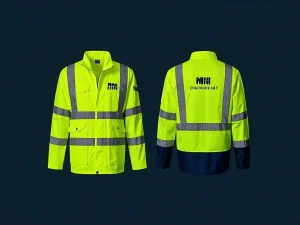
- Characteristics of the Best Reflective Apparel:
- Visibility: High-visibility color options like neon green, orange, and blue allow for a clear view.
- Reflectiveness: The reflective tapes throw the light off automobiles and equipment, which reflects at a far distance.
- Protection: All-round protective features include a Class 3 safety jacket, among others.
- How to Choose Reflective Apparel
- High-risk areas: Class 3 safety jackets with full body coverage.
- Medium risk: Lightweight safety vests.
- Comfort & fit: Various designs are available, such as women’s safety jackets and motorcycle safety jackets.
- Reflective Safety Equipment: Lifesaving Advantages
- Visibility: Reflective gear ensures that workers are visible in any darkness or dim light.
- Accidental prevention: it reduces the chance of collisions by vehicles or machinery.
- Weather protection: keeps visibility in fog, rain, and other bad weather.
Safety Footwear: Protecting Your Feet in Low-Light Conditions
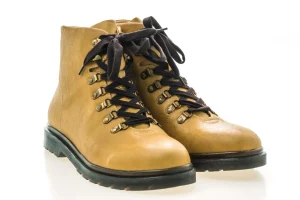
Good footwear keeps workers safe and helps avoid falls, which can be dangerous.
- Safety boots:
They protect the toes and resist falls, impacts, and electricity.
- Slip-Resistant Soles:
This safety feature provides secure footing on wet or oily slippery surfaces. It reduces the slips and falls on the floor.
- Reflective Accents for Visibility:
Reflective accents on boots and jackets help workers to be seen in the dark.
Lighting Equipment: Enhancing Visibility Beyond Clothing
Proper lighting provides reflective gear for safe work.
- The Best Headlamps and Flashlights:
LED headlamps and top LED flashlights have great beams. They have a long battery life to help employees see hazards.
- Ensuring Proper Lighting in Workspaces
LED lights are more energy efficient than old-fashioned bulbs. They consume less power, last longer, and provide increased visibility. Traditional bulbs can, by comparison, draw much more power and burn out more quickly. When it comes to safe and cost-effective lighting in
workplaces, LED lighting is the right choice.
- Portable Lighting Solutions
Rechargeable floodlights and task lights can illuminate dark areas. The lights can be easily relocated so that employees can use them in low-visibility areas. Hazards are readily seen, lowering the risk of accidents.
Personal Protective Equipment (PPE) beyond clothing
PPE goes beyond clothes but ensures that night-shift workers are completely covered.
- Eye Protection:
Safety goggles protect workers’ vision in low light. They have anti-glare and impact-resistant features.
- Hand Protection, Hearing Protection, and other PPEs:
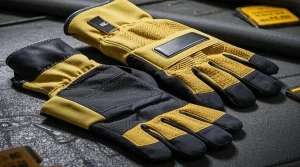
- Gloves: The use of gloves protects hands against physical injuries chemical exposures and thermal burns.
- Hearing Protection: The use of earplugs with earmuffs helps prevent damage from noise in busy zones.
- Other PPE: Helmets, knee pads, and high-visibility ear protection are essential for complete safety.
Creating a safe and well-lit work environment
A well-lit workspace is essential for reducing risks and improving efficiency.
- Proper Workplace Lighting Solutions:
- LED lighting: LED lighting uses little energy and costs less. It provides a steady, bright light that keeps workspaces well-lit.
- Task lighting: Task lighting systems shine focused beams of light. They allow staff to work without the interference of dark areas.
- Overhead lighting provides broad, even light across the workspace. It helps workers move about and see hazards.
- Reflective Markings and Signage
Reflective tape: It indicates walkways and hazards in low visibility.
Safety signage must be clear. It should guide workers to emergency exits. It should also warn of hazards to navigate safely in low visibility or emergencies.
- Setting Up a Safe Pathway
- Reflective Barriers Reflective barriers are set up to create safe walkways. Workers are unable to walk into dangerous zones, and visibility is boosted even in obscure areas.
- Floor Markings:
- Floor markings show safe routes through the workspace. This reduces the risk of workers entering hazardous or restricted areas.
Staying alert and preventing fatigue
- Tips for Maintaining Focus and Energy on the Job
- Your energy levels will stabilize by following a regular work/daytime sleep timetable.
- Your workspace needs to stay organized and you should avoid distractions like your cell phone.
- Set up brief sessions to take a break from your work which allows you to stay focused.
- Daily relaxation includes learning how to perform breathing routines or maintain focused positive thought patterns.
- The Importance of Breaks, Hydration, and Proper Nutrition for Night Shift Safety
- Eligible night shift workers should maintain fluid balance by consuming many water cups.
- Small portions of nutrient-rich food give you the energy you need throughout the shift.
- Carrying nuts and fresh fruit or yoghurt as snacks resolves feelings of fatigue during your shift.
- Consuming heavy or greasy foods leads to drowsiness so they should be avoided when working.
- Ways to Overcome Drowsiness and Prevent Accidents
- Work in a room where there is natural light and proper ventilation so you maintain high levels of alertness.
- A brief walk alongside stretching for several minutes will help you recover your energy levels.
- Alternating between different tasks will help combat both boredom and drowsiness in the workplace.
- A hot coffee can help but wait to consume it several hours before heading to bed.
Training and Awareness: Ensuring Worker Safety on the Night Shift
Educating workers about safety protocols makes them vigilant and accountable for safety concerns.
- Comprehensive Safety Training:
- Onboarding Programs: Cover risks associated with working at night.
- Emergency Procedures: Educate the workers about the safety protocols.
- Hands-On Training: Show them how to use reflective gear and PPE. This includes safety life jackets and Radwear safety jackets, as well as green or blue safety jackets for certain areas.
- Educating workers on reflective gear and PPE:
- Gear Education: Emphasize the necessity for high-visibility clothing. Teach workers that reflective gear, like Class 3 and women’s safety jackets, boosts their safety. This gear helps them stand out in low-light or dangerous settings.
- Proper Fit: Ensure that PPE is properly fitted and works correctly. Teach workers that a proper fit boosts comfort and safety. This will prevent accidents on the job.
- Building a Culture of Safety:
- Promote Safety Practices: Safety equipment in combination with training programs decreases both mishaps and worker injuries.
- When everyone is responsible for safety, workers become alert. They then take action to prevent accidents.
- Hold regular safety briefings: train employees on safety procedures.
結論
Night shift worker safety impacts their security and organizational operational success factors. Using safety tools, good lighting, and ongoing training leads to a safer workplace and higher productivity.
Long-term benefits include:
Increased visibility: Reflective gear makes it easier to spot workers, which reduces accidents.
Increased Confidence and Concentration: Safe workers are more confident and concentrated.
- Reduced Accidents and Injuries: Safety equipment in combination with training programs decreases both mishaps and worker injuries.
Final Thoughts:
To keep workers safe and productive in low visibility, use:
- High-quality reflective gear.
- Proper lighting.
- Training.