






Introducción
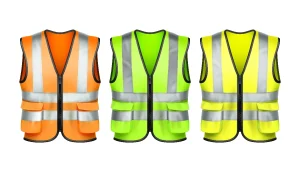
High-Visibility Garments for Emphasis on Safety in Hazardous AreasHi Visibility safety jackets are a mandatory safety garment for an individual working in hazardous environments. They increase visibility in areas of danger such as construction sites or along roadways. The bright colors of yellow, orange, or green stand out during the day. While reflective strips improve visibility under dark circumstances or at night. This facilitates the prevention of accidents, for example, whereby the visibility of workers is maximized. Most Common Terminologies All Security Professionals Ought to Know
- High-visibility: Bright colors and reflectors make workers easy to spot.
- Reflective Strips: Enhances visibility in dark conditions.
- Fluorescent Colors: Yellow, orange, or green for high visibility.
- Waterproof: Some jackets protect against rain.
Understanding Hi Vis: The Basics of High Visibility Apparel
- What is The Real Meaning of “Hi-Vis”?
- Hi-Vis Jackets and Safety Procedures
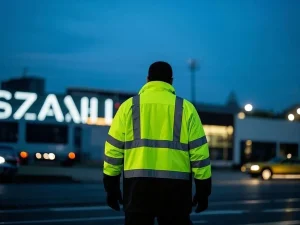
Hi-Vis is another way of saying “high visibility.” It is thus a kind of clothing that more easily identifies people as such. Oftentimes, they’ll be fluorescent in color and constructed of reflective material. So, they improve visibility by day or night. Hi-Vis jackets are key to maintaining workplace safety. This assisted in preventing accidents by ensuring workers were recognizable. Being able to be spotted easily by drivers and machinery operators, the jackets are a must in construction, roadworks, and industrial settings. They are worn to save lives and reduce risks.
Hi-Vis Materials: The Foundation of Visibility
- The Fluorescent Fabrics: Stand Out When Wearing These
- The science behind Color Choice Science: Fluorescent or Non-Fluorescent
Fluorescent fabrics are OK for Hi-Vis clothing. They shine when UV light hits them; their brightness should make them attention-getting. Inner bright colors must always attract the eye, like neon yellow or orange. They work best in daylight or dim conditions. Fluorescent colors are always visible because they reflect light. They appear brighter than regulars under sunlight. Due to a non-fluorescent effect, colors are not readily visible. Available fluorescent materials are the selections for protective clothing gear always to offer safety in exposed areas.
Reflective Strips: Shining a Light on Safety
- How Reflective Strips Enhance Visibility at Night
- ANSI Standards for Reflective Tape-Need to Know
By bouncing lights back to their source, reflective strips help improve visibility in the dark or bad lighting. The headlight will hit the strips from behind, providing bright light. This makes sure that the workers can be caught in the driver’s view from a distance. Hence, it is of vital importance to have a reflective material to ensure safe night activity. ANSI specifies the standard set for reflective tape and evaluates its visibility and durability. No matter what situation it’s implemented under, the tape is supposed to maintain brightness. Compliance with these standards allows for effective safety gear.
Classifications of Hi Vis Jackets: Defining Safety Levels
- Class 1: The Minimum Required for Low-Risk Areas
- Class 2: Enhanced Visibility for Medium-Risk Environments
- Class 3: Maximum Visibility for High-Risk Worksites
Class 1 jackets provide basic visibility and are meant for areas with low traffic and slow-moving vehicles. They have a limited amount of reflective material. These jackets can be used by warehouse workers or parking lot attendants. Class 2 jackets provide further enhanced visibility. They contain greater amounts of reflective tape and brighter fabrics. These jackets are best suited for places where traffic is a little more speedy or where heavier machinery is present. They are typically used by construction workers and roadside crews. Class 3 jackets are created to provide the maximum visibility. They have a greater portion of the wearer’s body covered with reflective materials. They are to be worn in very high-risk areas, such as highways or at night. Workers wearing these jackets can be easily seen from any angle.
The ANSI/ISEA 107-2020 Standard: Your Guide to Compliance
- Understanding the Guidelines for Hi-Vis Safety Apparel
- How Proper Compliance Provides Greater Protection and Less Legal Risk
The ANSI/ISEA 107-2020 standard is a code of practice that sets the Hi-Vis safety requirements. This code pertains to design, color choice, and reflective qualities. It is intended to ensure worker visibility and protection in potentially hazardous environments. Following this standard results in greater worker safety. It assures that employees are visible, even in dangerous situations. Given that these practices are aligned with the protection and avoidance of workplace accidents, complying with them reduces company liability.
Reflective Material Ratings: What Makes a Jacket Safe?
- The Reflective Area Requirement
- Assessing Reflectivity: How It Is Tested and Rated
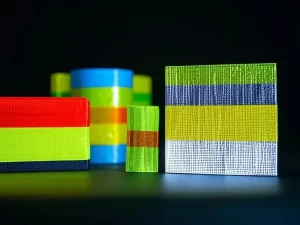
The reflective area of a jacket is vital for its safety. The reflective area requirement minimums are laid down by certain standards. This makes the workers visible all around. The deeper the reflective area, the better the visibility in low light. Reflective materials are tested for brightness and durability. Light is directed onto the material to measure how well it reflects light. Ratings depend on the respective ability of such a material to be visible under certain conditions.
Waterproof vs. Weatherproof: Protecting Against the Elements
- Waterproof versus Weatherproof
- The Role of Waterproofing in Outdoor Security Jobs
Waterproof materials prevent any water from passing through them. They keep moisture from seeping into the fabric. Weatherproof materials protect against light rain and wind but may not be able to withstand heavy exposure to water. Weatherproof is great for mild, unpredictable weather. Waterproof jackets keep them dry during heavy downpours. They are a barrier against cold and damp surroundings. It’s essential for outdoor security work in extreme weather conditions. Durability in severe conditions is assured by proper waterproofing.
The Anatomy of a Hi-Vis Jacket: Breaking Down the Key Features
- Key Design Elements: From Zippers to Hoods
- Breathability vs. Insulation: Finding the Right Balance for Comfort
Hi-Vis jackets are designed, first and foremost, with practicality in mind: safety and comfort. Zippers provide ease of putting on and taking off, while adjustable hoods offer weather protection. Many safety jackets’ waterproof designs have storm flaps to block the rain. Finally, the pockets are handy for taking tools or small items. Safety jacket’s high visibility designs also need to take into account comfort. Breathable fabrics prevent them from overheating in physical work. Insulated winter jackets help keep warm when exposed to cold environments. Modern designs now balance out these features and provide an equal measure of comfort without compromising visibility. Lightweight and weatherproof designs may be your best bet for outdoor work.
Durability and Performance: Ensuring Long-Term Functionality
- Reinforced Seams and Stitching: Durability for High-Stress Areas
- Abrasion-Resistant Fabrics: Longevity in the Roughest Conditions
Reinforced seams add strength to Hi-Vis jackets. Double stitches resist tears in hard conditions. Such jackets can stand repeated use in strenuous applications. Abrasion-resistant fabric minimizes wear on jackets resulting from poor working conditions. Rough surfaces are refined through multiple prompts of friction. These are jackets with high-visibility designs typically outfitted with these materials.
The Role of Fit and Comfort in Safety Apparel
- Adjustable Features: For Comfortable Movement and Easy Flexibility
They make the wearer comfortable. These straps allow workers to move freely while working. An elastic waistband will undoubtedly fit all body types. Some chalecos de seguridad para mujeres come with removable hoods for convenience.
- Why Fit Matters for Worker Efficiency and Safety
A good fit cancels distraction and discomfort. Loose safety jackets for construction can hurdle equipment, causing hazards. Tight jackets restrict the movement of the worker, thereby reducing efficiency. Clothing that fits well allows for greater mobility and enhanced, productive performance. Comfortable workers are safer and work better.
Customizing Hi Vis Jackets: Tailoring Apparel for Specific Roles
- Customizations in Jackets Suitable for Security Functions
Hi-visibility jackets can be customized according to security functions. Jackets are made for construction outlast and are therefore called durable. Safety jackets for construction are designed to facilitate mobility. Each specific role requires specified features for optimal safety and protection. The jacket is tailored to provide maximum visibility and protection to workers.
- Design Variations: From Vests to Full-Body Jackets
Hi-visibility clothes do come in many designs. Safety vest jackets provide minimal coverage with a total movement range. Full-body jackets give full protection in all weather. The life jacket safety jackets come in different configurations like hoods or pockets. Each of these designs is suited to specific job needs.
Smart Hi Vis Jackets: Technology Meets Safety
- Future of Wearable Technology in Hi-Vis Apparel
- Features include LED lights, GPS, and temperature control.
Smart Hi-Vis jackets are changing safety standards. Future jackets will be embedded with sensors. These sensors can detect hazards and alert workers. Wearable tech will improve visibility and communication. LED lights increase visibility at night, GPS tracking helps locate workers in real-time, and temperature control keeps workers comfortable in extreme conditions. These features are what are changing safety jackets. They add convenience and protection for outdoor jobs.
Hi-Vis Jacket Styles: Functionality Meets Fashion
- Bomber Jackets vs. Parkas: Which One Will Suit Your Needs Best?
- Lightweight vs. insulated jackets: Choose based on your weather conditions.
Bomber jackets are lightweight and flexible; the comfort needed in mild weather. Parkas keep you warmer in the cold. They also have hoods for full coverage. Both styles provide sufficient visibility, but the chase is based on the weather. Lightweight Hi-Vis jackets are preferred in warmer climates, letting one breathe and enjoy the comfort of it. Depending on the temperature and the work environment, one may choose.
Conclusión
- Key Factors to Be Considered While Buying a Hi-Vis Gear
- Why Correct Terminology Is Important in Compliance and Safety
Hi-Vis jackets should be chosen based on the work environment; one should consider visibility, comfort, and weather as well. The safety jackets should fit well and enable movement. Reflective strips and fluorescent fabrics must ensure high visibility. Using proper terminology will ensure compliance with the safety standards. This helps select the proper jacket or vest for a given task. The terminology used guides a worker and employer. It is imperative to ensure safety on the job site.