

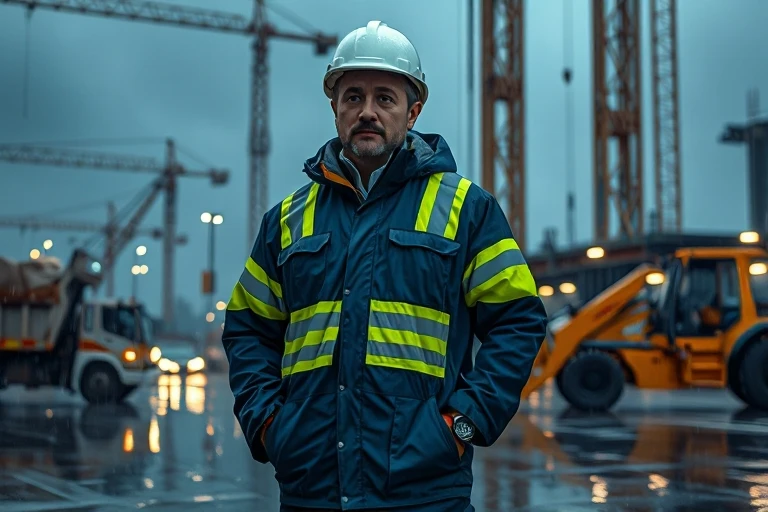
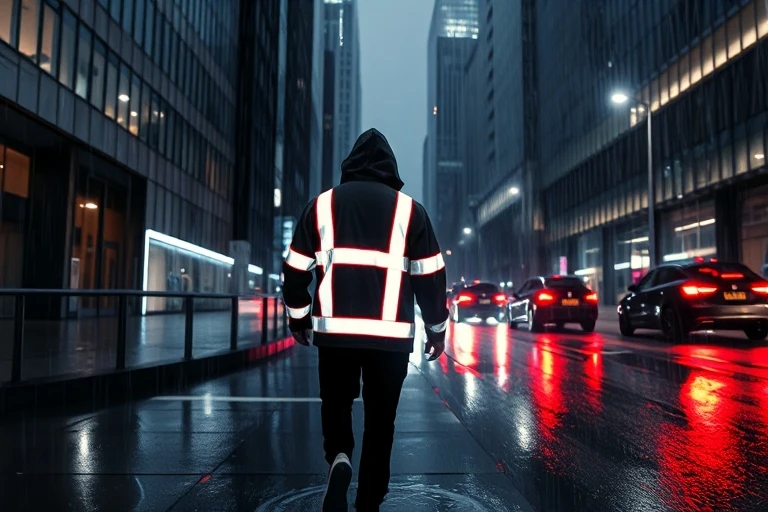
Choosing a waterproof reflective jacket is crucial for staying warm and dry during outdoor days. Rain can suddenly occur at any moment, which can lead to something else when the body is soaked. As a result of this, you should get a waterproof jacket to keep you safe from hazardous conditions. Moreover, as a construction company or warehouse worker, I know that waterproof reflective clothing is necessary for different safety measures.
However, the most challenging thing workers experience today is choosing the best waterproof reflective jackets. Therefore, we shall guide you through selecting the best waterproof jackets, breaking down the factors to look for before choosing one. As we approach, clutch with us as we unravel the guide.
What is a Waterproof Reflective Jacket?
A waterproof reflective jacket is designed to overcome heavy rainfall, snow, or wind particles. Regard these jackets as your protection, shielding you from dangerous elements. They are made from efficient materials that help to keep water off the clothing surface, providing comfort within your body. Moreover, reflective jackets made from bright fabrics are worn to keep workers visible in low-light environments. Construction workers, pedestrians, and traffic workers commonly use waterproof reflective jackets. They leverage it to make them visible within the midst and noticeable by drivers, preventing immediate accidents.
However, many people are confused about waterproof, water repellent, and water resistant, which leads them to choose the wrong reflective jackets. Therefore, let’s examine their differences to help you understand how waterproofing works.
Understanding Waterproofing Technology in Safety jackets
Knowing the difference between water-resistant, waterproofing, and water-repellent is crucial. It will determine the type of jackets you need for your work area, such as construction or a road site. They are also pivotal for a reflective jacket that suits your workplace weather. Now, let’s break each of them down. Understanding the differences between water-resistant and waterproof jackets is crucial when selecting outerwear for various weather conditions. Water-resistant jackets offer basic protection with a DWR coating, ideal for light rain. In contrast, waterproof jackets provide superior defense with taped seams and a waterproof membrane. This guide explores these features, ensuring you stay dry and comfortable.
Waterproof vs Water-Resistant vs Water-repellent
Water-Resistant:
Water-resistant jackets are designed with a Durable Water Repellent (DWR) coating that keeps water from penetrating the clothing. This coating lets water particles stay on the clothing surface while rolling off. Note that they hold off water because moisture may pass through after being used multiple times or during heavy rains.
Waterproof:
Waterproof jackets are designed to provide rigid protection against wet conditions. They are made with strong waterproof fabric with covered seams and stripes. These elements work together to provide rigid protection, ensuring no water gets through the fabric in hazardous or any weather conditions.
Water-repellent:
Water-repellent coatings are similar to water-resistant coatings but have a slight difference in terms of their hydrophobic properties. Water repellent has a high resistance to survive water drops for a longer time. Also, the repellent coating is made with thin film fabric, allowing water particles to stay on the clothing without getting through. However, they are less durable and may need reproofing after a certain length of usage or several washings.
How Does Waterproofing Work?
The process of how waterproofing works is divided into three layers.
The Outer Layer: The outer layer of reflective jackets is their face fabric, which is often made of polyester or nylon. Durable water repellency (DWR) is often applied to the surface to aid external protection from any elements. DWR does not have the same meaning as waterproof; it is the first protective layer to prevent fabric loss.
The Membrane: This is the layer by which the waterproofing works. These layers are designed with Teflon, which has a thin hole, permeating the surface for water to pass through and vapor to get out. However, Teflon becomes less dense when it comes in contact with oil. Due to this, polyethylene elements are added to purify it.
Inner layer: Lastly, the inner layer is covered to facilitate pure breathing. The outer layer and membrane are attached to this surface, providing a full waterproofing effect. Light Waterproof jackets with one layer( the outer layer) of coating often lose their waterproof layer over time; likewise, the second layer. Therefore, a waterproof jacket with three layers of coating will offer the best protection against any conditions or difficulties.
Waterproof Ratings
The rating of waterproof clothing ranges from 1500 to 20,000 mm. The higher the rating, the higher the waterproofing. In most cases, it depends on the condition of your working environment.
0 – 1,500mm – Water resistant
A minimum waterproof rating is required for areas with low rainfall. Note that this range of rating won’t overcome hard rainfall, as they have a soft and flexible waterproof surface.
Up to 2,000mm – Waterproof
Jackets up to 2,000mm are made for typical street use and other purposes. This range of jackets will withstand snow and other downpours. However, they are prone to soaking after a particular period of rainfall or heavy snow.
Up to 5,000mm – Waterproof

A rating of up to 5,000mm applies to various weather conditions. Still, it is also used for trekking in minimal rainfall across the mountains.
Up to 10,000mm – Extreme waterproof
Jackets rated 10,000mm can withstand heavy rain and harsh weather. This range of waterproof ratings can hold off water drops through a deep coating, avoiding elements from getting through.
Breathability in Waterproof Jacket
Good reflective jackets are designed to have a high level of breathability. Breathability is the ability to keep water from getting to the body and provide a stable flow of breathing. However, there is a misconception about breathability being a necessity in waterproof jackets.
Breathability is the ability to allow air to flow through and sweat to evaporate in waterproof clothing. Hence, rigid breathable fabrics help maintain the body temperature by allowing air to escape. With breathability and waterproofing in reflective jackets, workers will feel warm and comfortable throughout their working days.
Now, let’s talk about the style of waterproof jackets. There are a few main types:
Types of Waterproof Reflective Jackets
a) Shell Jackets: Lightweight Shell jackets
A Lightweight waterproof reflective jacket has a warm coating that provides comfort and more rigid protection in harsh weather. These shell jackets are often waterproof with 8000mm. They are well fit and suited to the worker’s body as they are made to be versatile and flexible.
Moreover, they are lightweight, which makes them packable. They provide standard waterproofing and breathability and are suitable for diverse weather conditions, making them a perfect match.
b) Insulated Waterproof Jackets
These jackets feature a waterproof layer with insulation to provide warmth when worn. They combine insulation and waterproofing elements, making them suitable for cold and wet weather.
c) 3-in-1 Jackets
These types of jackets offer a high level of versatility for the softest weather situations. They come with inner sleeves for workers to use solely on hot days. While they are a perfect choice, they are more costly than lightweight shell jackets.
Key Features to Consider When Choosing a Waterproof Jacket
- Waterproof and Breathability Ratings
Waterproof ratings( in mm) define the ability of a reflective jacket to withstand water pressure.
However, a reflective jacket with a waterproof rating of 10,000mm can withstand minimal rain. In comparison, a 20,000mm rating covers heavy rainfall.
The breathability ratings of a waterproof jacket are divided into RET (Resistance to Evaporative Heat Transfer) and MVTR (Moisture Vapor Transmission Rate). RET shows how effectively the jacket allows moisture to vaporize. A jacket with Lower RET defines better breathability, while higher MVTR numbers show better moisture movement.
The balance between waterproofing and breathability in a reflective jacket is crucial. A high waterproof rating keeps workers dry; thus, with poor breathability, you may often sweat inside the jacket, reducing users’ comfort.
- Seams and Zippers
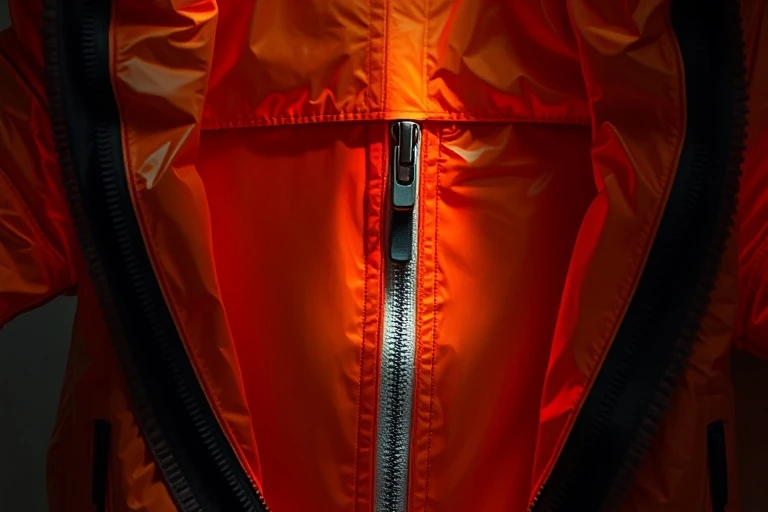
Effective Seams and zippers are essential in a waterproof rain jacket.
A jacket with fully taped seams will prevent water from getting through, providing high protection from exposure to wet surfaces. If a waterproof fabric has a poor taped seam, leakage may occur during heavy rain.
Waterproof zippers are another pivotal component in a waterproof jacket. These zippers are often coated and designed to protect against water penetration. The zipper will keep your body dry when you come in contact with water.
- Pockets
Look for reflective jackets with waterproof pockets to keep your materials dry. Moreover, consider their position, such as the side or front pockets, and more equipment storage. Regardless, the internal pockets are used for safe storage in heavy rain.
- Hoods
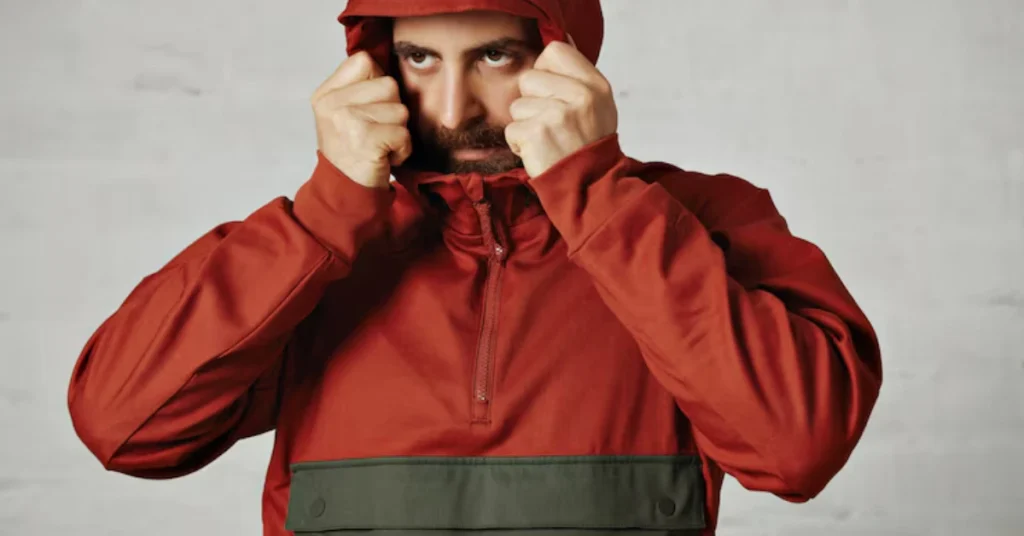
The hood design of waterproof reflective jackets includes an adjustable and detachable option. A reflective jacket with an adjustable hood protects your head and face without discomfort.
- Ventilation
This feature has pit zips for body regulation, removing heat without waterproofing. This is useful during tough or rigid working activities.
Application and Use Cases of waterproof reflective Jackets
Waterproof reflective gear is necessary in different sectors of jobs, such as:
1. Construction Sites
Construction workers use waterproof reflective materials to improve their visibility and protect themselves from weather conditions during working days. As these sites require various machinery, reflective jackets are also needed to prevent accidents.
2. Roadside Maintenance
Road workers have extensively utilized waterproof reflective jackets as safety measures among team workers. They leverage the reflective jackets for visibility between drivers and areas of low light.
3. Warehouses and Shipping Industries
Warehouse workers also use waterproof reflective jackets for protection in hard weather situations. Most warehousing employees are stuck with heavy loads or machines, so they need to wear reflective jackets for high visibility.
4. Emergency Situations
Waterproof reflective clothing also applies to those who work in emergencies, whereby a slight worker identification can lead to significant loss or difficulty. Hence, if all workers are well visible, there will be a low risk of accidents.
Care and Maintenance for Longevity
1. Washing and Cleaning
Regular washing and cleaning of your waterproof reflective jacket are essential to sustaining its effectiveness. The tips below will guide you through the proper washing.
Instructions for Washing:
- Check the care manuals on your waterproof jackets for proper washing.
- Use a soft detergent to avoid fading or bleaching. Using a hard detergent quickly damages the waterproofing and material.
- Wash waterproofing jackets in clean water to maintain the material’s integrity.
- If there are stains, a spot remover is required. Use it gently with some soft detergent on the stain before rinsing.
- To maintain its cleanliness, dry it out inside to avoid the reflective tapes and surfaces from dust particles
- Keep the garments away from sunlight. Dry them in a calm environment and store them in a warm place.
However, reading the care instructions on the jacket you purchase is pivotal. They will explain all necessary steps in using the jacket correctly, extending its longevity. Thus, for spot cleaning, use a remover detergent and apply it gently to the surface.
2. Proper Storage
Storing your waterproof clothing properly is essential for its long-term use.
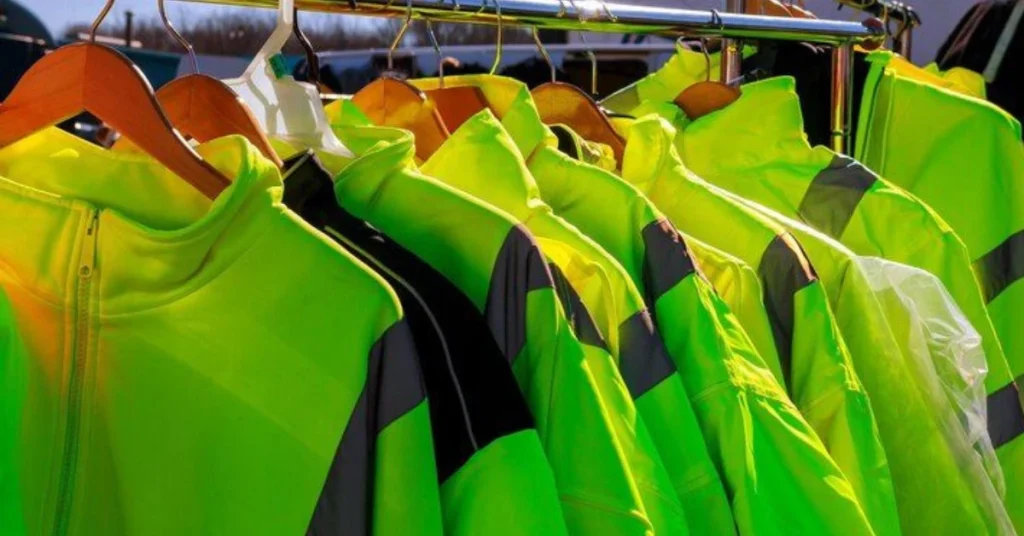
- Prevent Fading and Wear: Keep your jacket safe in a cool and dry place, and do not dry it in sunlight, as it may cause fading. If hanging them, ensure they are not exposed to rough fabrics, as they may cause wear off.
- Keep it Dry: Make sure your clothing is dry before storing it to prevent the growth of mustiness. This is crucial for reflective jackets used in construction sites, which are often exposed to dampness.
3. Regular Inspections and Repairs
Checking your waterproof jacket regularly is also pivotal for its longevity. During checking, you may find any little rest or wear and have it repaired before it enlarges.
Tips for Minor Repairs:
- Check for Small tears and repair instantly to avoid more damage.
- Repair any Broken zippers found to lengthen the term.
Conclusion
A waterproof reflective jacket is a great way to keep yourself safe in harsh conditions. They feature reflective stripes and maintain workers’ visibility in low-light working areas. Starting from construction workers, warehouses, they make use of the waterproof reflective jackets for high visibility and to protect their bodies from dangerous moisture, keeping them safe and dry.
Now that you have understood the guide to choosing the best waterproof reflective jackets, it’s time to look for reliable safety reflective gear that suits your profession. Choosing the right waterproof reflective jacket will offer maximal safety and protection.