






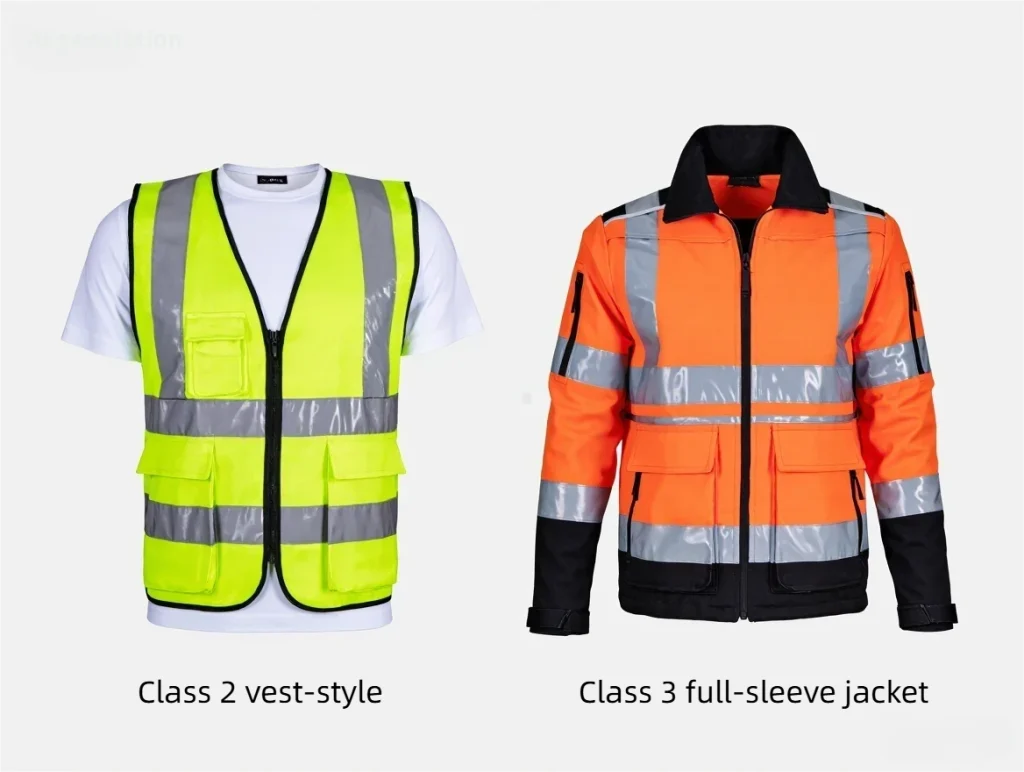
Comparing ANSI class 3 safety jackets to class 2 safety jackets, a number of workers are left at a crossroad and do not know which one to use in their work. This may be a minor difference, but in safety equipment, even minor details can mean life and death. Wearing high visibility shirts, reflective shirts, or safety shirts, it is important to know the proper ANSI classification for protection at the workplace.
Here is a full, permanently organized, guide, which takes you through your entire outline.
Knowledge about ANSI Standards: The language of Safety.
The ANSI/ISEA 107 standard is used to specify the amount of visibility, reflective tape and design features of a safety garment. It imposes rigorous standards on employees in the construction, traffic, warehouse, road, airport, utility and industrial areas.
ANSI standards ensure:
- Minimum visibility levels
- Reflectivity needed in Headlights.
- Color brightness
- Full body design coverage
Why Your Safety Jacket Class is Not as Incidental as You Think.
Wearing a jacket that is not the right one can mean:
- Cars will not notice you on time.
- Reduced visibility in darkness.
- Violation of job-site regulations.
- Workplace penalties
- Increased accident risk
The safety jacket you wear renders your visibility to the eye directly depending on the distance; day or night.
Presenting the Competitors: Class 2 vs Class 3.
It is better to define each of them before making a comparison.
ANSI Class 2 Safety Jacket What Is It?
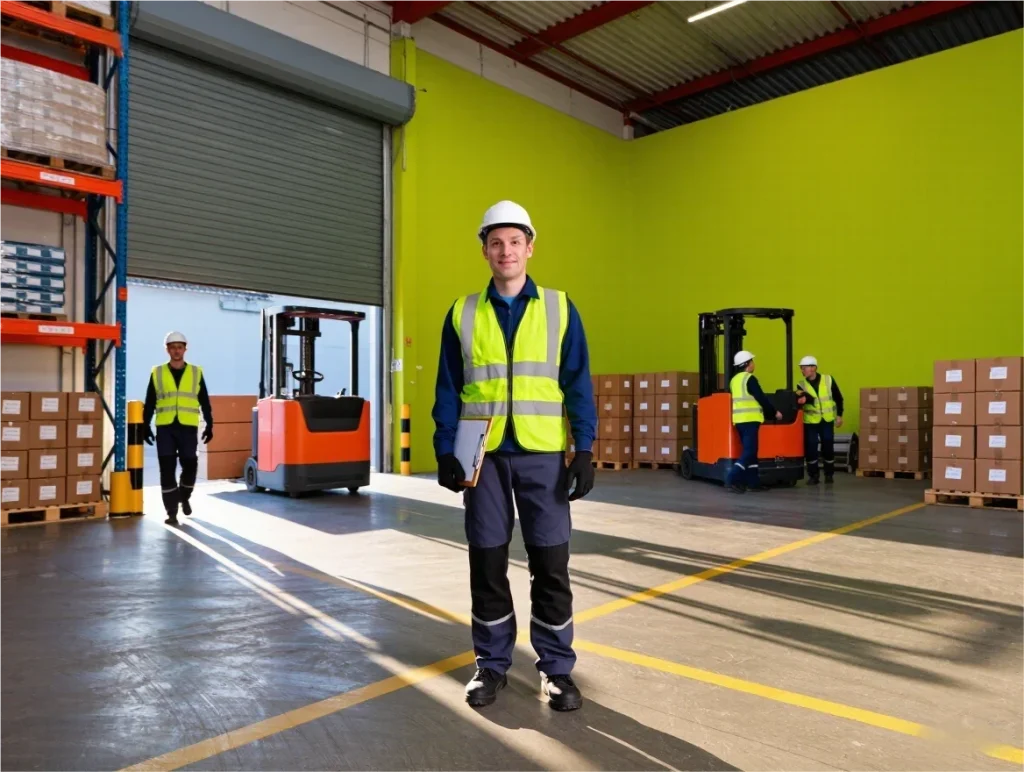
ANSI Class 2 jacket fits the environment that is characterized by less than 50mph traffic and fair lighting.
- The Fundamental Essence of Class 2 Garments.
- Improve torso visibility
- Make sure that workers are prominent in medium risk environments.
- Offer light weight comfort.
Characteristic Applications of Class 2 Vests.
- Parking lots
- Traffic control of shopping centers.
- Warehouse loading zones
- Utility work in daylight
- Projects in residential streets.
ANSI Class 3 Safety Jacket What is it?
Jackets in Class 3 are the most visible in the area.
The Improved Safety of Class 3 Equipment.
Class 3 garments include:
- Reflective taped sleeves.
- Increased low-background fluorescence.
- More body coverage
Scenarios that are considered high-risk require a Class 3 Jacket.
- Traffic higher than 50 mph roadwork.
- Nighttime construction
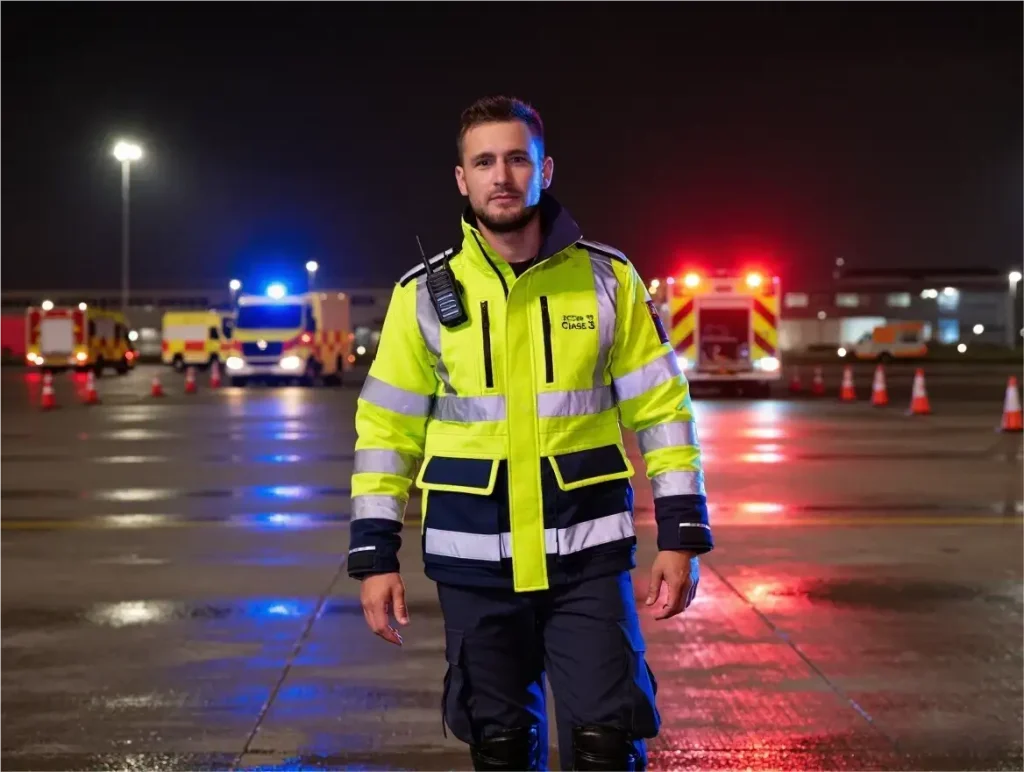
- Emergency response
- Airport runways
- Industrial highway sites
The Key Difference: Visibility and Coverage
The biggest factor separating ANSI class 3 safety jacket vs class 2 is coverage area.
Class 3 includes sleeves, which dramatically increases reflective surface area.
Breaking Down the ANSI 107 Standard Requirements
Below is a quick breakdown straight from ANSI guidelines:
Comparing Background Material and Retroreflective Tape
| Feature | Class 2 | Class 3 |
| Background Material | 775 sq. in. | 1240 sq. in. |
| Reflective Tape | 201 sq. in. | 310 sq. in. |
| Sleeves Required | No | Yes |
| Visibility Distance | Medium | Maximum |
| Traffic Speed Suitability | < 50 mph | > 50 mph |
The Sleeve Factor: How Arms Change the Safety Game
There is continuous movement of arms during work.
The movement causes reflective sleeves to be seen immediately in the headlights creating a faster recognition of a human shape by the drivers.
In Class 2 clothing, there is no lighting of arms that decreases motion visibility.
A Parallel Examination of the Visual Dissimilarities.
Class 2
- Vest-style
- No sleeves
- Medium background fabric
- Moderate reflective area
Class 3
- Full-sleeve jacket
- Maximum body coverage
- Somewhere on the stylus, the highest reflective tape area is located.
- Obvious figure in the great distances.
Comparisons of Performance Under Light: night visibility.
During the night; the consideration of reflectivity is more important than color. Class 3 jackets reflect more than 50 percent more light, which provides a clear outline of the body of a worker.
Daytime Visibility: Which Color is more salient?
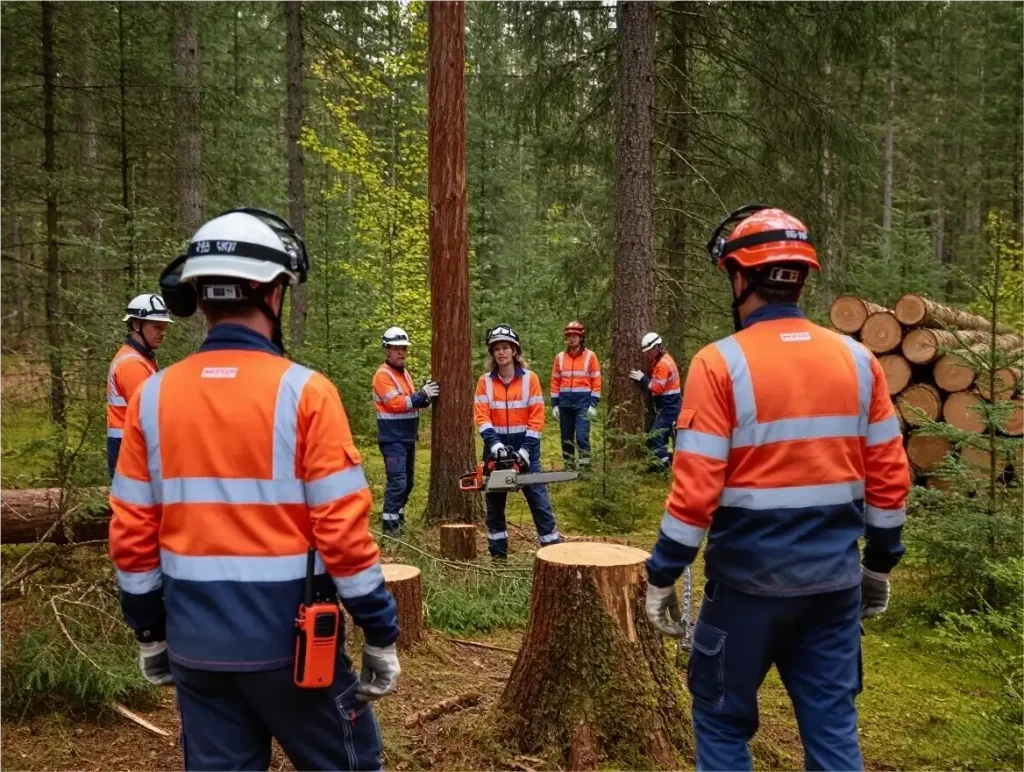
Yellow-green is normally good at high visibility.
Forestry or traffic crews prefer orange to be used to contrast the natural backgrounds.
The Class 2 and Class 3 garments are both made with the same fluorescent colors, but it is the coverage that distinguishes the two.
Durability and Design: More than Visibility.
- Common Material used in each class.
- Polyester mesh
- Ripstop fabric
- Breathable shells that are waterproof.
- Class 3 winter gear: Thermal liners.
- Reflective microprism tape
In other cases, extra layering causes class 3 jackets to be heavier and more durable.
Taking into account Fit, Comfort and Mobility.
Class 2 vests:
- Very lightweight
- Easy to wear over clothe
- Maximum airflow
Class 3 jackets:
- More coverage
- Slightly heavier
- Prefer being in cold or a windy day.
Work Longevity and Weather Resistance.
Class 3 jackets can often contain:
- Wind protection
- Waterproof coating
- Heat insulation
This enables them to be used in extreme weather workplaces.
- The Right Choice to Your Job Site.
- Evaluating Your Work Place Hazards and Lighting.
- Consider:
- Speed of traffic around the work area.
- Extremophiles Visibility in early morning or evening.
- Presence of heavy machinery
- Weather conditions
- Company safety rules
Guidelines and Regulations that are Industry-Specific.
Construction: Designation 3- high-speed zones.
Traffic control: Class 3 suggested.
Warehousing: Class 2 adequate indoors.
Utility work: Day class 2, night Class 3.
Emergency response: Class 3 essential.
Should Class 2 Be Good Enough to Keep You Safe?
- Daylight tasks
- Indoor or warehouse work
- Low traffic areas
- Medium-risk situations
When Do you need to upgrade to a Class 3 Jacket?
- Night operations
- High-speed traffic roads
- Severe weather
- Poor lighting conditions
- Occupations that need long distance visibility.
Critical Cost of Making a Wrong Choice.
Making the wrong decision of Class 2 over Class 3 in a high-speed zone may lead to:
- Accidents
- Legal consequences
- OSHA violations
- Reduced worker protection
Dispel the Darkness of Equivalent Myths of High-Vis Wear.
Myth 1: The Determination of Class is Just through the Color.
False.
Coverage and reflective tape- not color.
Myth 2: Multiple Layering is Compliant by Nature.
Layering causes less visibility except when the topmost layer is ANSI qualified.
ANSI Class 3 vs Class 2: A Quick-Reference Comparison Matrix
| Category | Class | Class3 |
| Safety Level | Medium | highest |
| Sleeves | No | yes |
| Suitable for | Moderately risky job sites | High-risk, low-light, high-speed zones |
| Best for | Daytime,warehouse,retail | Night work, highways, emergency work |
Selecting and Maintaining Your Safety Jacket
Proper Fit: Ensuring Your Jacket Works as Intended
Loose or tight jackets lead to a low reflective visibility.
Fit must be easy to move around and tape can always be seen on every side.
Checking and Maintenance of Long-run performance.
- Crack refugee reflective tape.
- Wash in cold water
- Avoid harsh chemicals
- Air dry as opposed to machine dry.
- Replace worn-out panels
The timing of when to change or simply retire your safety gear.
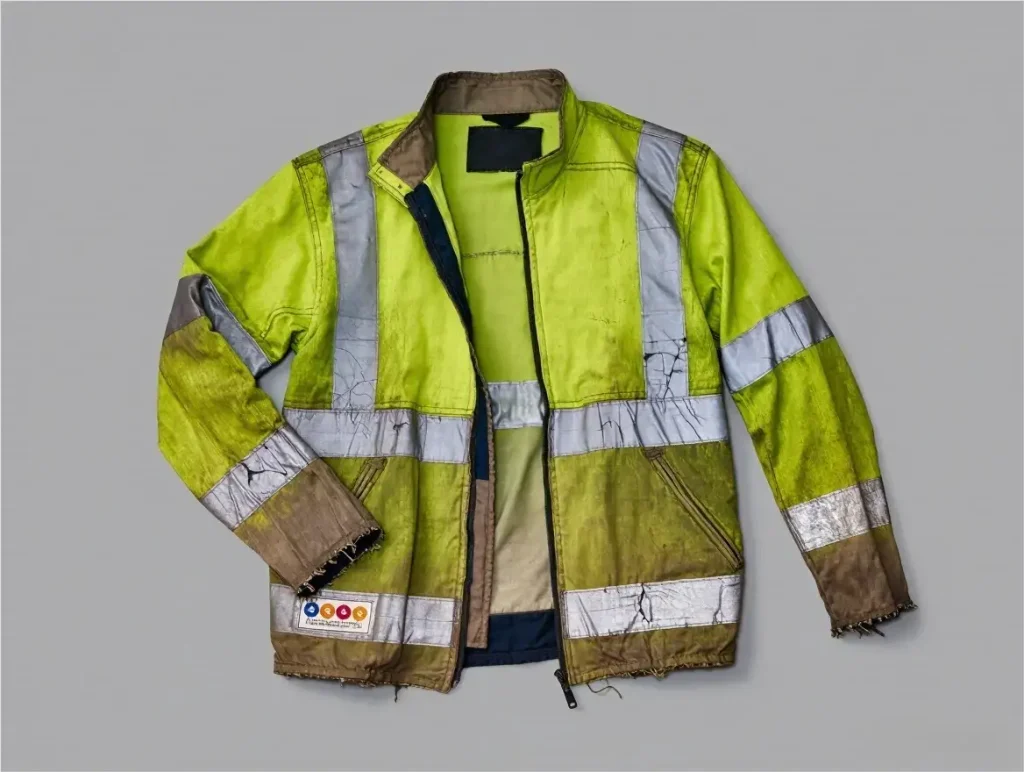
Replace your jacket when:
- Reflective tape increases the lack of shine.
- Colors fade
- Fabric tears
- The ANSI label is made illegible.
The Bottom Line: What is Your Personal Safety?
Summary of the Macro Differences Recap.
- Class 2: Medium coverage that is ideal in the daytime.
- Class 3: Full coverage, which is necessary in high-risk conditions.
- The actual game changer is sleeves.
- The greater the reflective, the more protection.
Visibility is your safety and never be compromised.
Finally, a decision between the correct ANSI class 3 safety jacket and class 2 can be the matter of being observed or overlooked. To be as safe as possible, it is essential to ensure that you select the class that corresponds to the level of risk in your job, the level of lighting and the speed of traffic.