







Introduction: Unveiling the Hi-Vis Jacket Mystery
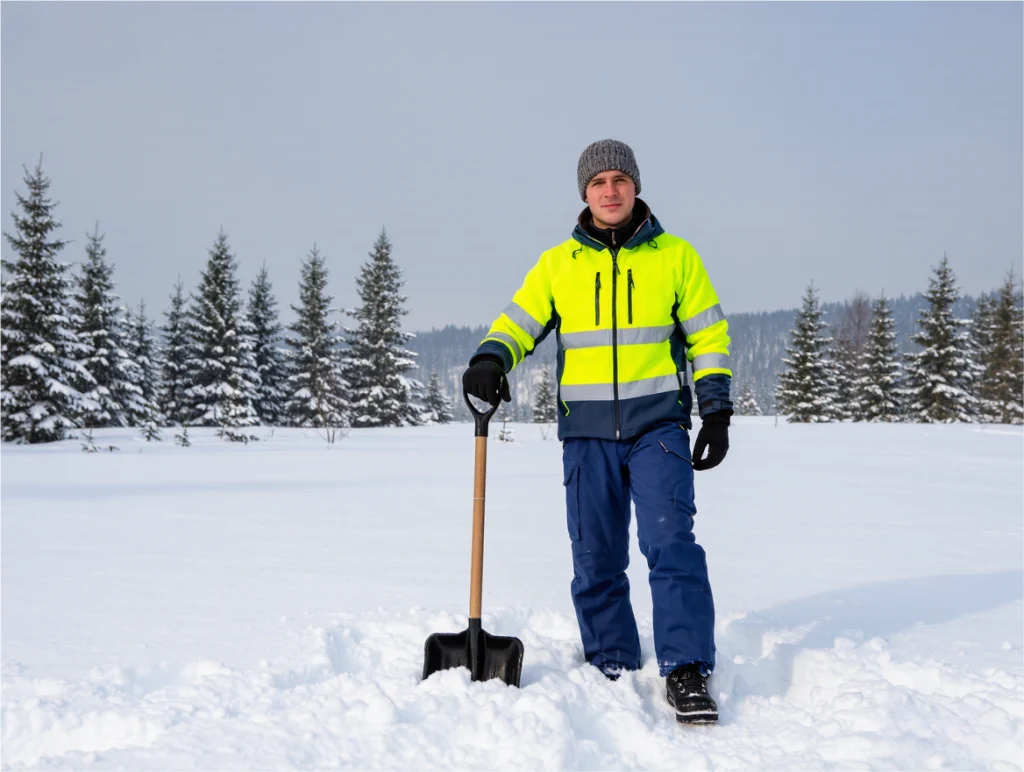
The Hi-Vis Fleece Jacket is one such garment that can be considered as the most popular and required outdoor safety equipment. They are easy to see in the distance since these jackets tend to glow in the light of Headlights or in dark situations. But visibility cannot be compromised, but comfort and warmth are equal measures. The people in the construction sector, logistics, or outdoor industries understand the harshness of the weather.
The actual query is: which one to prefer: a fleece jacket or the polar fleece jacket? They are both warm, yet each is associated with its own advantages and disadvantages. To unravel the mystery, we shall plunge ourselves in all the aspects that matter, warmth, breathability, durability, cost, and even environmental impact.
The Great Debate: Fleece vs. Polar Fleece
Fleece and polar fleece appear to be exactly the same at first sight. They are both polyester and soft, insulating, and worn in the workplace. But there is a difference in thickness, density and performance.
- Fleece is not heavy and breathable and it is appropriate in light weather.
- Polar fleece is more substantial, warmer and is designed to be used in extreme cold.
Safety and comfort are two factors that cannot be separated, and this option is a huge one.
Why You Need a Hi-Vis Jacket in the First Place
Enhanced visibility is what may save life at a workplace. Reflective clothing is mandatory due to the fact that as per the safety guidelines in construction and traffic management industries:
- It minimizes the possibility of accidents as the workers are seen by the drivers.
- It gives a feeling of protection and power indicating the presence of workers.
- It makes sure that OSHA and ANSI standards are adhered to in numerous industries.
The incorporation of the fleece fabric into the mix enables the jacket to be used during cold climates which cannot be browsed by a mere reflective vest.
How These Two Jackets Stack Up: A Quick Overview
Here’s a quick summary before diving into details:
| 特点 | Fleece Jacket | Polar Fleece Jacket |
| Warmth | Light to moderate | Very warm, high insulation |
| 透气性 | Excellent | Moderate |
| Weight | Lightweight, agile | Heavier, bulkier |
| Moisture Handling | Absorbs and dries quickly | Resists moisture but dries slow |
| Durability | Decent but less tough | Resists moisture but dries slow |
| Water Resistance | Weak | powerful ,resistant |
| Cost | Affordable | Higher price point |
Material Showdown: Fleece vs. Polar Fleece
Fleece: Lightweight and Soft and Wear Ready.
- The fabric is soft and cotton wool-like.
- Easy and flexible to active jobs.
- Weighless, does not generate too much heat.
Polar Fleece: Warmthier, Denser, and More Insulating.
- Tighter weave = greater amount of heat that is trapped.
- More applicable in outdoor jobs that require freezing conditions.
- It is a bit heavier, which does not suit very active work.
What’s Actually Happening in the Fabric? The Science Behind the Softness
The two materials are synthetic yet they are designed in different ways:
- The fibers of fleece are less thick and enable a lot of air to flow through, therefore not much insulation.
- The density of the air pockets is higher thus warmer and therefore more heat is trapped as the fibers of the polar fleece are touched more.
It is basically the science of air pocket thermal insulation. The jacket is the warmer the thicker the fabric.
Warmth Factor: Fleece vs. Polar Fleece – Who Wins the Heat?
Fleece: Cosey Warmer in Colder Climates.
Fleece is suitable in spring, autumn or in the mild winters. It is the favorite of workers who are mobile since they will not overheat.
Polar Fleece: When You Think the Weather Just Must be Angry.
Fleece is polar and keeps employees warm in snow, frost or sub-zero. It does not allow heat to escape even during extended shifts on the outdoors.
A Temperature Test: What Jacket will you be warmed in?
- Fleece Jacket: Best for 10°C–20°C (mild cold).
- Polar Fleece: Best for -10°C–5°C (harsh winter).
When your job assignments have you subjected to freezing weather, polar fleece obviously prevails.
Breathability Breakdown: Can You Stay Cool Under Pressure?
Fleece: Light and Airy, Yet Not Always the best in respect of sweating.
Since fleece is not thick, it is air permeable, which makes it ideal in tasks, which regard lifting, carrying, and moving.
Polar Fleece: Warmthier, yet Still Does You Skin Breath?
Breathability is decreased by the thickness of polar fleece. Good in the cold but when you are on the move, it may get sweaty and uncomfortable.
Moisture Management: Who Handles Sweat Better?
- Fleece: Sweat absorber, fast-drying, can be used by active employees.
- Polar Fleece: Waterproof, however, when wet, it retains the moisture longer. Not perfect in a heavy rain without a waterproof shell on it.
Weight Matters: Light and Agile vs. Heavy Duty
Fleece: Ready to move and Featherweight.
It is lightweight and, thus, a blessing to delivery drivers, construction movers, and warehouse workers.
Polar Fleece: A Little Extra Butt, but It Works.
Yes, warmer,–but in cold weather men gladly sacrifice weight to warmness.
How Each Jacket Affects Mobility and Comfort
- Fleece: Finds application in the highest degree of movement, like a second skin.
- Polar Fleece: A little bit confining, though it can be brought under control in case of warmth being the priority.
Water Resistance: Getting Caught in the Rain – Fleece Edition
Fleece: It is a sponge, but a mushy one.
Fleece is also a water grabber and thus it cannot be used in rain without a waterproof cover.
Polar Fleece: More Effective against the Elements.
Polar fleece is also resistant to water to some extent but not waterproof. It can be greatly improved by a water-resistant treatment.
Durability: Who Lasts Longer on the Job Site?
Fleece: A Ruffian Marriage, yet Will It Persevere The Rudities?
- Suitable in case of light to medium-duty.
- But easy to pill and to tear off clothes.
Polar Fleece: More Durable, But Does It Warrant the Special Treatment?
- Density of the fibers = higher durability.
- Should be washed scrupulously to keep plump and not matted.
Comparing Durability Under Extreme Conditions
- Fleece: Shining when rubbed, lofty duration in harsh industrial location.
- Polar Fleece: It is much more resistant to cold, dirt, and recurrent use.
Reflectivity: How Bright Do You Need to Be?
Fleece: Shine Like White Elephants?
Fleece base is able to take reflective strips but may become dull due to repeated washing.
Polar Fleece: Reflectivity Values and effects on safety.
Heavy weave and tougher materials ensure jackets made of polar fleece have a longer reflective power.
How Much Reflection is Actually Necessary for High Visibility?
To ensure maximum safety, a hi-vis jacket must have 360 degree reflectivity, both at the front and at the back and sleeves. Polar fleece normally carries heavier reflective tapes.
Flammability: Safety First – Which Jacket Protects You Better?
Fleece: The Hazard of Fire in some Workplaces.
Fleece is a very flammable material that melts when it comes into contact with sparks- unsafe in welding or on an oil rig.
Polar Fleece: An Improved Flammable-resistant one?
There are polar fleece jackets which have flame retardant finishes hence they are safer in hazardous work areas.
Comparing Fire Safety in Fleece and Polar Fleece Jackets
- Fleece: Cannot be used in hot places.
- Polar Fleece: Scarcely a risky choice, unless it is marked FR (Flame Resistance).
Cost Factor: Is Polar Fleece Worth the Extra Cash?
Fleece: Low-priced and Usable in a Multitude of Jobs.
Cheap, ubiquitous and a decent entry level hi-vis.
Polar Fleece: Luxury at a Premium Price.
It is costlier but possesses a high degree of durability, insulation and safety.
Deconstruction of the fee: Is the Investment Warranted?
The polar fleece which is priced a little higher than other fleece can afford the added price in the comfort of the worker and fewer sick days when the work involves freezing cold conditions all the time.
Fashion vs. Function: Can You Look Good and Be Safe?
Dress: Stylish, Versatile and Ready to Action.
Appears relaxed, in numerous styles, and appropriate even off duty.
Polar Fleece: Not So Much Style, but the Warmth.
More professional, heavier, and offers unsurpassed functionality.
General How To: Your Fleece Fresh.
Fleece: Unfussy for Incognito Living.
Washable in a machine, fast dry, does not require a lot of ironing.
Polar Fleece: A Little More Effort, Well Worth It.
Should have mild wash cycles, it should not have harsh detergents and should be dried properly so that it does not lose its loft.
Tips for Cleaning and Maintaining Both Fabrics
- Wash inside out.
- Avoid high heat drying.
- Use mild detergents.
- Air-drying is the best in the case of polar fleece.
Environmental Impact: Which One Is Greener?
Fleece: Does it contribute to the Plastic Problem?
Manufactured polyester = releases microplastics into water bodies.
Polar Fleece: Sustainable or another Synthetic?
It is also very synthetic, although there are some brands that recycle PET bottles.
How to Make a Greener Choice Between the Two
Select jackets with the label of polyester made of recycled materials or search online companies that are environmentally responsible.
Comfort Level: Feel the Difference
Fleece: Long Shift Long Sleeves Soft and Snug.
Better in work where ease of movement and comfort are of greater concern than supreme warmth.
Polar Fleece: The Big Hug of Jackets.
It is like wearing a blanket, which is ideal to stand in the cold weather.
Industrial Uses: Which Jacket Fits the Job?
Fleece: Perfect in the Mild to Medium Weather and Work.
Construction light, warehousing, logistics, delivery.
Polar Fleece: Ideal in Cold Static Workplaces.
Mining, oil rigs, cold storage, railways, snow related industries.
The Big Conclusion: Fleece vs. Polar Fleece – Which One Wins?
In summary: When to Select Fleece instead of Polar Fleece.
- Fleece should be used in case you want something light and cheap and breathable.
- Select polar fleece when you require insulation, wear and tear resistance as well as extreme cold.
The Ultimate Conclusion: Is One Beating the Other?
No single winner exists. The ideal Hi-Vis Fleece Jacket will be made in relation to your job, weather, and finances.