
맞춤형 안전 조끼의 로고 인쇄 방법: 스크린 인쇄, 열전사, 패치, 라벨
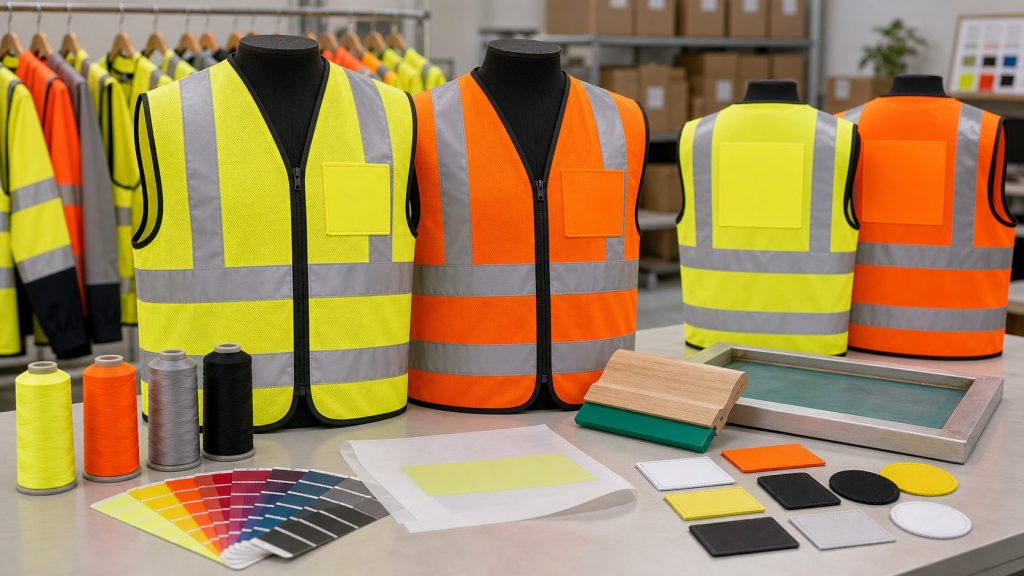
안전 조끼의 로고 인쇄 방법은 원단 종류, 로고 세부 사항, 주문 수량, 인쇄 위치, 기대되는 내구성, 가시성 요건 등을 종합적으로 고려하여 선정해야 합니다. 적절한 인쇄 방법을 선택하면 시제품 제작 및 대량 생산 단계에서 디자인 관련 문제를 사전에 방지할 수 있습니다.
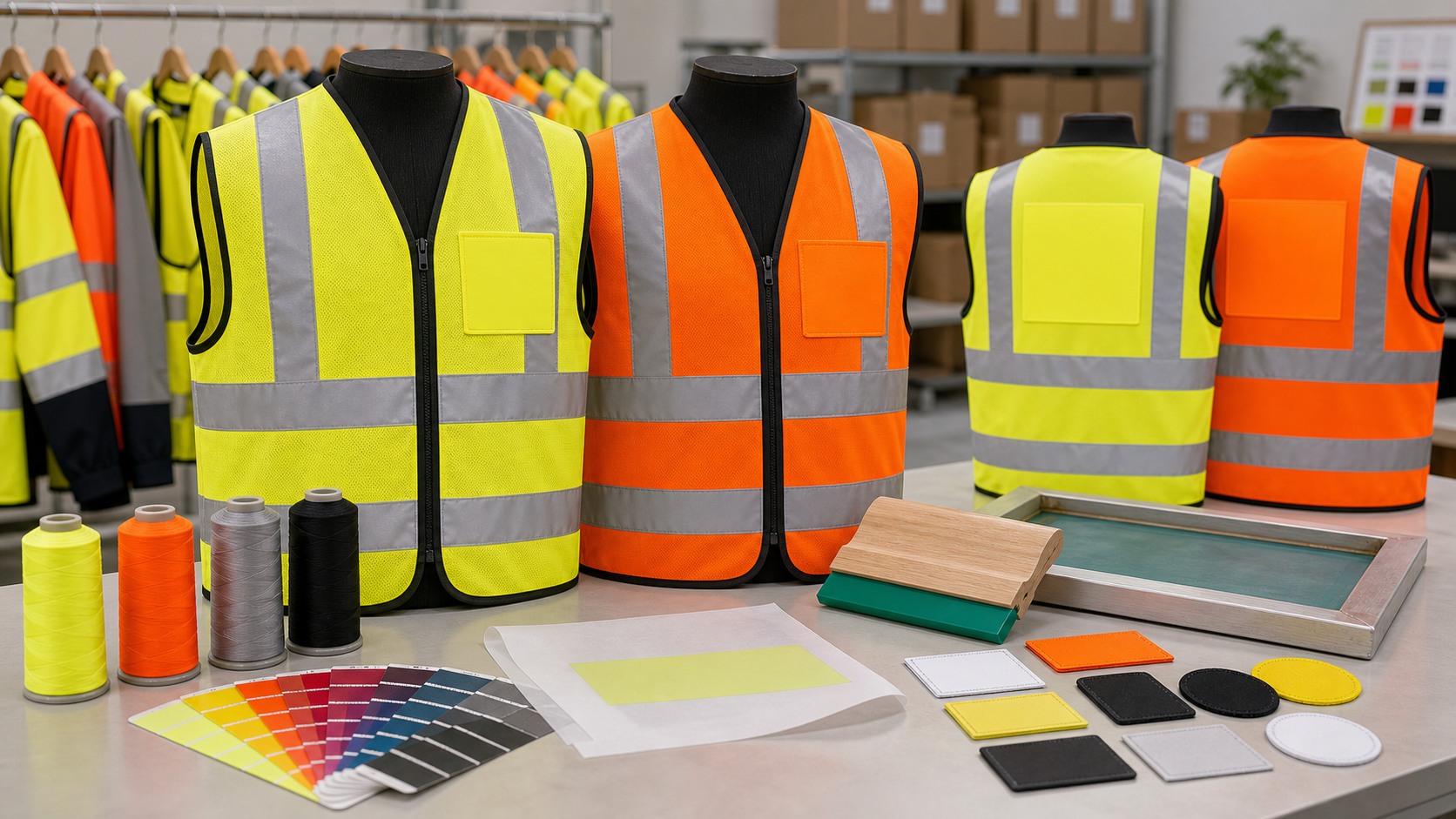
이 가이드에서는 인쇄 방식 선정, 디자인 검토, 스크린 인쇄와 열전사 방식의 비교, 패치, 라벨, 로고 배치 확인 등에 중점을 둡니다. 보다 광범위한 브랜드 및 규정 준수 계획에 대해서는 로고가 새겨진 맞춤형 안전 조끼 구매 가이드.
로고 제작 방식 비교
| 방법 | 최상의 대상 | 주문 규모 | 장점 | 제한 사항 |
|---|---|---|---|---|
| 스크린 인쇄 | 심플한 로고, 한두 가지 색상, 반복되는 디자인. | 중형에서 대형 | 대량 주문 시 비용 효율적이고 효율적입니다. | 그라데이션, 미세한 디테일, 그리고 빈번한 로고 변형에는 다소 유연성이 떨어집니다. |
| 열 전달 | 세밀한 일러스트, 다색 로고, 이름, 그리고 번호. | 작은 것부터 큰 것까지 | 깔끔한 마감과 유연한 아트웍 처리. | 내구성은 전사 재료, 열처리 공정, 원단 및 사용 조건에 따라 달라집니다. |
| 패치 | 자사 브랜드 프로그램 및 재주문되는 유통업체 SKU. | 중형에서 대형 | 다양한 의류 유형에 걸쳐 일관된 브랜드 요소. | 봉제 또는 패치 부착 단계가 추가되며, 위치가 부적절할 경우 착용감에 영향을 줄 수 있습니다. |
| 반성문 | 역할 식별 및 저조도 가시성 지원. | 작은 것부터 큰 것까지 | 일부 업무 환경에서 식별을 용이하게 합니다. | 반사 테이프와 대상 학급 수업 계획과 함께 검토해야 합니다. |
| 라벨 및 행택 | 소매용, 유통업체용 및 자체 브랜드 포장. | 중형에서 대형 | 재판매용 전시 및 창고 내 취급을 지원합니다. | 의류에 표시된 로고를 대체하지 않습니다. |
스크린 인쇄 대 열전사
스크린 인쇄는 일반적으로 단순하고 반복적인 디자인과 대량 생산에 가장 적합합니다. 이 방식은 주로 계약업체명, 부서명, 단색 또는 2색 뒷면 로고 인쇄에 선택됩니다. 구매자는 잉크 색상, 인쇄 크기, 조끼 원단, 그리고 메쉬나 단색 표면에 디자인을 깔끔하게 표현할 수 있는지 여부를 확인해야 합니다.
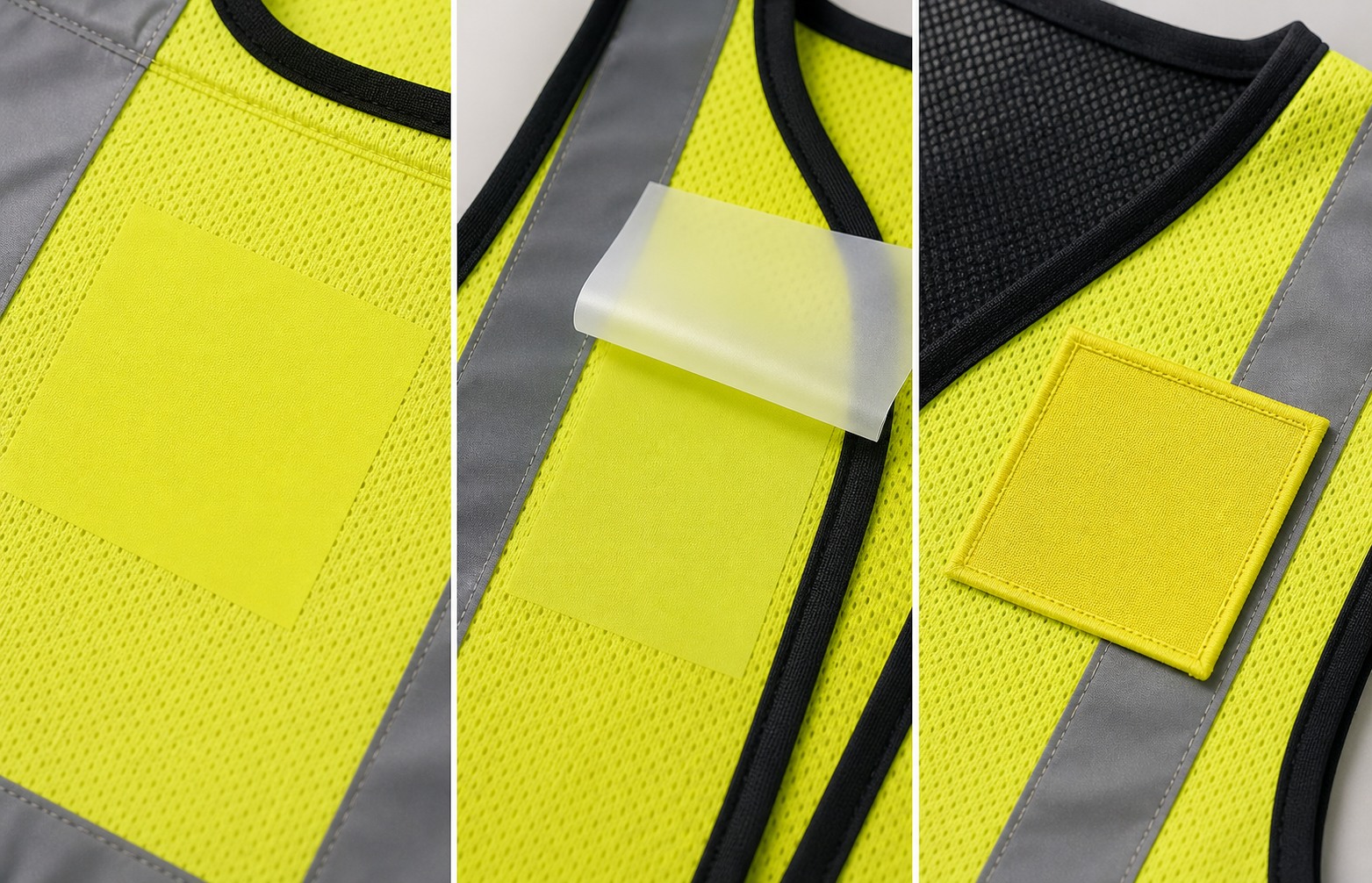
세밀한 디자인, 다색 로고, 이름, 숫자, 여러 로고가 혼합된 배치의 경우 열전사 방식이 더 적합한 경우가 많습니다. 이 방식은 준비 과정을 간소화할 수 있지만, 선택한 조끼 원단에 대해 반드시 테스트를 거쳐야 합니다. 전사가 완료된 후 가장자리 마감 상태, 접착력, 유연성 및 착용감을 꼼꼼히 확인하십시오.
로고 배치 확인
샘플 승인 전에 로고 배치 위치를 안전 레이아웃과 대조하여 확인해야 합니다. 브랜딩은 반사 테이프나 필수 가시성 소재를 가려서는 안 됩니다. 등 뒤의 대형 로고, 반사 텍스트, 패치 및 라벨은 대상 등급, 프로젝트 요구 사항 및 착용자의 편안함을 고려하여 검토해야 합니다.
주문에 2등급 RFQ도 필요한 경우, 당사의 다음 내용을 확인해 주십시오. ANSI 2등급 안전 조끼 대량 주문 안내서. 검체 확인을 위해서는 다음을 사용하십시오. 안전 조끼 샘플 승인 체크리스트.
작품 심사를 위해 제출해야 할 자료
- 가능한 경우 AI, EPS, PDF 또는 SVG와 같은 벡터 그래픽 파일.
- 로고 크기, 팬톤 색상 또는 브랜드 색상, 배치 관련 유의사항.
- 조끼의 스타일, 색상, 원단, 대상 고객층 또는 프로젝트 요구 사항.
- 로고 버전 및 사이즈 구성별 수량.
- 자사 브랜드, 행태그, 바코드 또는 카톤 표시 요건.
반복적인 브랜딩 프로그램의 경우, 맞춤형 OEM 지원 로고 사용 지침, 라벨 체계, 포장 및 재주문 사양을 일관성 있게 조정하는 데 도움이 될 수 있습니다.
결론
안전 조끼의 로고 인쇄 방법은 단순히 외관뿐만 아니라 인쇄 방식의 성능에 따라 선택해야 합니다. 스크린 인쇄, 열전사, 패치, 반사성 텍스트, 라벨 등은 각각 실용적인 역할을 합니다. 공급업체는 대량 생산에 들어가기 전에 디자인 원고, 원단, 로고 배치 위치, 샘플 품질 및 목표 가시성 요건을 검토해야 합니다.
자주 묻는 질문
안전 조끼에 로고를 인쇄하는 데 가장 적합한 방법은 무엇인가요?
가장 적합한 방법은 원단 종류, 로고 디자인의 세부 사항, 주문 수량, 로고 배치 위치, 기대되는 내구성, 그리고 가시성 요건에 따라 달라집니다. 스크린 인쇄는 단순한 대량 로고에 주로 사용되는 반면, 열전사 방식은 디테일이 풍부하거나 다색으로 구성된 디자인에 유용합니다.
구매자는 어떤 경우에 스크린 인쇄를 선택해야 할까요?
스크린 인쇄는 단순한 1~2색 로고, 반복되는 디자인, 그리고 적합한 원단에 중·대량으로 인쇄할 때 종종 실용적입니다.
구매자는 어떤 경우에 열전달 방식을 선택해야 할까요?
열전사 방식은 정교한 디자인, 다색 로고, 이름, 번호 및 소량의 혼합 로고 제품에 유용할 수 있지만, 선택한 조끼 원단에 대해 반드시 테스트를 거쳐야 합니다.
로고를 반사 테이프 위에 붙일 수 있나요?
아니요. 특히 조끼가 표적 등급을 고려하여 설계되어야 하는 경우에는, 반사 테이프나 필수 가시성 소재를 가리지 않도록 로고 배치 위치를 재검토해야 합니다.
인쇄 검토를 위해 어떤 원고를 보내야 하나요?
가능한 경우 벡터 아트웍, 로고 크기, 팬톤 색상, 배치 지침, 조끼 스타일, 로고 버전별 수량, 그리고 포장 또는 라벨 관련 요구 사항을 보내주십시오.