







소개
Employment of reflective safety clothing ensures safety in different working disciplines. That increases visibility, especially at night, thus minimizing the possibility of incidents on the road. This guide is all about how best to use and take care of your reflective safety clothing, which makes for long-lasting safety gear.
The Importance of Reflective Safety Clothing: Ensuring Workplace Safety
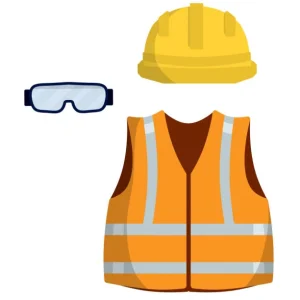
High-visibility safety wear is critical where employees are exposed to dangerous conditions. This way, they are easily noticeable, allowing other people to see them, especially during the night or when the weather is bad. This visibility is important to ensure that there is NO accident and help in making the workplace safer.
Key Benefits of Wearing Reflective Gear: Enhancing Visibility and Reducing Accidents
By using reflective clothing, there is enhanced visibility. This visibility can help in lessening the chances of occurrence of an accident, more especially on construction sites and planned roads, and in various state departments, including the health and fire departments. The key benefits include:
-
Enhanced Visibility: It is apparent and noticeable that bright colors and reflective labels and vests of workers.
-
Increased 안전: Reduces the incidence of accidents.
-
Compliance: Satisfies safety requirements dictated by employers.
How Reflective Clothing Enhances Visibility in Low-Light Conditions, Protecting Workers’ Safety
Its operation can be explained as an effect of reflective clothing—the fabric reflects light towards the source. This feature is especially practical when it’s dark outside or raining out on the road. Wearing both bright clothing and highly illuminated strips means that the intended workers are easily seen from different angles.
반사 안전복이란 무엇인가요?
Definition and Basic Structure of Reflective Safety Clothing
Safety protective wear also features those that have been manufactured with reflective fabrications to facilitate improved visibility. These are usually basic items such as jackets and vests and pants.
Types of Reflective Materials and Their Characteristics: Polyester, Nylon, Coatings, etc.
Common materials used in reflective clothing include:
-
폴리에스테르: Durable and lightweight.
-
나일론: Strong and resistant to wear.
-
Coatings: Improve the waterproofing ability and also the longevity of the fabric.
Core Functions of Reflective Clothing: Improving Visibility and Ensuring Safety
The two main roles of reflective clothing are basically to enhance visibility, especially in different circumstances, and also to protect the workers on the job.
How to Choose the Right Reflective Safety Clothing
Key Factors in Choosing Reflective Safety Clothing: Comfort, Functionality, and Environmental Adaptability
In choosing reflective clothing, pay attention to comfort, practicability, versatility, and adjustability.
How to Choose the Right Size and Fit for Reflective Safety Clothing
It is very important to wear the suit well-fitted for maximum comfort and effectiveness. Sizing charts supplied by manufacturers should always be used.
Advantages of Different Types of Reflective Clothing: Vests, Jackets, Pants, and Full-Body Workwear
Each type serves a different purpose:
-
조끼: Lightweight and breathable.
-
재킷: To act as a barrier and keep warm; look for waterproof safety jackets for wet conditions.
-
바지: Offer full-body coverage.
-
Full-Body Workwear: Ideal for extreme conditions.
Choosing Reflective Clothing Colors: Fluorescent Colors and Reflective Properties
Such colors as fluorescent orange or yellow are well seen in daytime when the sun lasts longer. Make it a point that there is also a reflective strip especially for nighttime use.
High-Visibility Standards and Suitability: Understanding Reflective Clothing Safety Certification Standards
The reflective clothing that you use must be tested for its high visibility safety jacket standard to ANSI or ISO to be sure it works.

How to Use Reflective Safety Clothing Effectively
Best Times and Situations to Wear Reflective Clothing
Wear reflective clothing at night or in low-light areas if working adjacent to traffic or any heavy machinery.
How to Use Reflective Safety Clothing in Cold Weather and Extreme Conditions
Winter jacket safety choices should incorporate sufficient insulation while effectively ensuring appropriate sight.
The author’s advice to consumers on the selection of winter jackets is the safety options that must ensure adequate insulation as well as visibility. There are also heated safety jackets in case you want more warmers on your body.
Enhancing Safety by Combining Reflective Gear with Other Safety Equipment: Helmets, Gloves, etc.
There is no better way of protecting oneself than by wearing reflective jackets together with a helmet and gloves.
Tips for Ensuring Optimal Visibility While Wearing Reflective Clothing
Refer to the following points in relation to reflective gear; it should be clean from any obstructions. It is recommended not to lay over reflective strips that minimize visibility.
Proper Care and Maintenance of Reflective Safety Clothing
The Importance of Maintaining Reflective Safety Clothing: Extending Its Lifespan and Ensuring Continuous Safety
Upkeep helps to have a permanently working gear, and its longevity is additionally expanded.
How to Properly Wash Reflective Safety Clothing
Ensure the directions having to do with care are followed strictly. In most cases, wash with cold water and gentle soap to prevent fading of the reflective surfaces.
Common Washing Mistakes to Avoid: High Temperatures, Harsh Detergents, and Bleach
Do not use the products near heat sources that could cause the materials to become brittle and chemicals that could erode them.
Drying Techniques for Reflective Clothing: Air Drying vs. Machine Drying
Better if air-dried; if to be dried using a machine, better set it for low heat to avoid damaging the clothes.
Regularly Checking for Wear and Tear: Ensuring Reflective Strips and Fabrics Are in Good Condition
Wash your clothes often and check for any sign of wear and tear often. Some of the items will need replacement based on their condition as a way of ensuring safety standards are met.
Common Maintenance Issues and Solutions for Reflective Clothing
Fading Reflective Strips: How to Restore Reflective Effectiveness
For damaged strips, repaint or use specific coverings that restore strips to their high reflective sheen.
Damaged Reflective Clothing: How to Repair Small Tears and Rips
See the packs of fabric patches or sewing kits that are used to fix outdoor clothes and equipment.
How to Maintain the Waterproof and Durability Features of Reflective Gear
Select safety jackets for water resistance and further cover them with a tough surface to withstand various climate conditions.
How to Maintain the Reflective Performance of Clothing After Multiple Washes
Washing should be done according to the instructions provided to prevent losing reflectivity after washing them severally.
When to Replace Reflective Safety Clothing: Recognizing Signs of Excessive Wear
How to Store and Protect Reflective Safety Clothing
Storage Tips for Reflective Safety Clothing: Preventing Damage and Deformation
Stack jackets or hang them without folding them over and over, which can cause a severing of the reflective strips.
How to Avoid Exposure to UV Rays, Chemicals, and High Temperatures
Clothing should be stored out of the reach of direct sunlight or other chemicals that cause deterioration of clothes.
How to Properly Store Reflective Gear When Not in Use
This product should also be stored in a cool, dry place away from moisture of any form or very low or very high temperatures.
Best Practices for Storing and Organizing Reflective Safety Clothing for Easy Access
They should fit into different categories (for instance, mens safety jackets) depending on the ease of access when the items are required.
Durability and Lifespan of Reflective Safety Clothing
Average Lifespan of Reflective Safety Clothing
If well maintained, most high-quality reflective garments can last for several years.
Key Factors Affecting the Durability of Reflective Safety Gear
They include the kind of material used, the number of times the object is used, whether or not it has been exposed to the elements, or whether it is cleaned, oiled, or maintained in some other way.
How to Determine When to Replace Reflective Safety Clothing Based on Usage Frequency
Wear should be monitored depending on usage and replaced as and when it degrades regardless of the time used.
The Impact of Environmental Factors on Reflective Clothing Durability: UV Exposure, Weather, and Chemicals
As far as natural conditions are concerned, remember the fact that UV radiation will only cause colors to fade, and chemicals will cause the fabric to degrade someday.
Environmental Impact and Sustainability: Eco-Friendly Reflective Clothing Choices
Eco-Friendly Reflective Safety Clothing: How to Choose Sustainable Materials
Search for brands that use friendly environment texture without demising on safety aspects.
The Environmental Impact and Recycling Methods of Reflective Materials
Use the following Internet search terms to find out how such gear can best be recycled in your locality:
How to Properly Dispose of Old Reflective Gear: Recycling and Waste Guidelines
Comply with local requirements of textile recycling where possible; refrain from discarding nitrogen resources where there is an option to do otherwise.
Legal and Safety Standards: Ensuring Compliance with Reflective Clothing
Legal Requirements and Safety Standards for Reflective Gear: ANSI, ISO, OSHA, and More
Compliance with the relative legal provisions in the selection of the gears to be used at work.
How to Ensure Your Reflective Clothing Meets High-Visibility Safety Standards
Before buying any gear, such as hi vis safety jackets or even orange safety jackets, it is wise to check for compliance certifications.
Employer Responsibilities: How to Provide Compliant Reflective Safety Clothing for Employees
Employers are obliged to make certain that all personnel are provided with safety apparel appropriate to their jobs.
The Consequences of Non-Compliance: Legal Risks and Safety Hazards
This failing in compliance can result not only in legal liabilities but also in enhanced exposure to workplace mishaps.
Choosing Reflective Clothing Materials
Polyester vs. Nylon: Pros and Cons for Different Work Environments
While polyester fabric is lighter, it is less resistant than nylon; it is up to a specific job to determine which one is better.
Coatings and Treatments: How to Enhance the Waterproofing and Durability of Reflective Safety Clothing
Choose jackets that have unique coatings that also intensify the waterproofing provision in addition to the ability to withstand wearing.
Waterproof and Fire-Resistant Materials: Improving Safety in Special Environments
Choose jackets that have unique coatings that also intensify the waterproofing provision in addition to the ability to withstand wear.
Maintenance Methods for Different Materials: How to Care for Reflective Clothing Based on Fabric Characteristics
Choose jackets that have unique coatings that also intensify the waterproofing provision in addition to the ability to withstand wearing.
Cost and Return on Investment for Reflective Safety Clothing
Cost vs. Performance of Reflective Safety Clothing: How to Make Smart Purchasing Decisions
Ensuring extra effort is made at ordering and selecting the right things that are more durable may allow one to spend more cash fronted against the amount of money that would be spent more frequently on consumables but less lasting items; one should then compare the costs against the expected usage lifespan before determining what is best.
Low-Cost vs. High-End Reflective Clothing: How to Choose the Right Safety Gear
While choosing between Pyramex safety jackets or cheaper counterparts, one should think about quality as well as these two types of budget limitations!
Maximizing the Value & ROI of Your Investment in Quality Products Over Time!
Therefore, for increasing the overall value received when the product has been sold at the end of the ownership period, it is necessary that proper care & maintenance is practiced to the very end.
How To Address Common Problems With Your Garments!
When Do My Strips Stop Working? Causes & Solutions!
If you see decreased reflectivity over some period of time because of improper cleaning methods that were used earlier, car seat jacket safety.
it is better to change those parts completely and not attempt to regain the previous efficiency!
Removing Stains/Discoloration From My Garment!
Employ only soft-difficulty washing and scrubbing solutions for textiles that do not contain strong solutions that might further deteriorate the fiber of the fabric!
What If My Jacket Doesn’t Fit? Adjustments & Repairs Available!
It might be wise to bring it to the tailor store if you need to change the size, to keep the effectiveness of the entire dress without altering the garment’s nature.
Performance Deteriorating? Restoring Effectiveness Possible Here Too!
I check the condition frequently as advised in the above section to ensure everything is as it should be for longer durations ahead.

결론
The Importance of Regular Maintenance for Reflective Safety Clothing: Protecting Long-Term Workers
This keeps your reflective clothing functional throughout, shielding you from the probable risks while at work!
The Value of High-Quality Reflective Safety Clothing: Safeguarding Investment for Accident Avoidance
The quality of the garment is the best, as are its durability and performance—safety rates are better overall: that’s a definite reward for investing in quality!
Summary: How To Properly Use, Maintain, and Store Your Gear Effectively!
If those above guidelines are followed, they will assist in getting the most out of the car’s usage during the whole ownership period while making sure all the people in the car are safe at all times.