







Introduction: The Growing Demand for Sustainable Safety Gear
Global organizations enhance their safety equipment sustainability because environmental responsibility stands as a key organizational priority. The development of recycled material safety jackets represents one of the most exciting advancements because such jackets unite environmentally friendly features with high-performance operational capabilities. Recycled material jackets will trigger a major transformation of the safety gear market because they will substitute conventional workwear during the next five years. From waterproof safety jackets to class 3 safety jackets, the integration of recycled materials is transforming how we think about protective clothing. The research investigates both the environmental significance of recycling materials in safety jackets along with their support for worldwide sustainability targets.
The Need for Eco-Friendly Safety Jackets
Typical safety equipment utilizes virgin polyester and nylon synthetic materials, which create major environmental deterioration. Making these materials requires significant energy utilization, which generates more plastic waste throughout production. Recycled material safety jackets produce decreased waste along with lower carbon footprints and promote a circular economic model. The growing number of organizations uses these jackets simultaneously to reach corporate sustainability targets and minimize workplace waste while showing their environmental protection dedication.
What Makes a Safety Jacket Eco-Friendly?
Safety jackets following environmental-friendly design use recycled polyester and recycled nylon and upcycled plastic bottles as their manufacturing materials.
The processed and cleaned materials become performance-fabricated materials which satisfy safety requirements through rigorous testing. The jackets made from recycled materials keep their essential qualities needed for challenging workplace conditions, including durability and water resistance, along with adaptability. Fabric technology innovations maintain both the durability and reliability of eco-friendly jackets, the same way as standard jackets do.
Key Benefits of Recycled Material Safety Jackets
-
Environmental Auswirkungen: Recycling on the jackets decreases the demand for fresh raw materials at the same time it blocks waste products from entering landfills.
-
Durability: The engineered strength of recycled fabrics enables their use in safety work jackets together with motorcycle safety jackets because of their ability to endure adverse situations.
-
Comfort: Recycled cotton together with bio-based fabrics creates a breathable material set that keeps users comfortable throughout an entire day of wear.
-
Cost-Effectiveness: Sustainable workwear tends to offer better long-term value compared to its initial cost because it proves durable over time.
Types of Recycled Materials Used in Safety Jackets
-
Recycled Polyester: Exceptional strength combined with versatility characteristics make Recycled Polyester the most widely used material in the market.
-
Recycled Nylon: The material maintains high durability while maintaining a lightweight composition, which suits construction safety jackets.
-
Recycled Cotton: The alternative material guides comfort for sustainable use.
-
Upcycled Plastic Bottles: Transforms waste into high-performance outerwear.
-
Bio-Based Materials: The next generation of environmentally friendly safety products is being developed by the use of materials such as hemp and algae-based fabrics.
How Recycled Safety Jackets Are Made
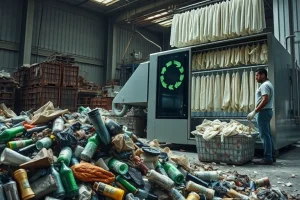
The recycling process starts by accumulating and cleansing diverse waste materials, which include plastic bottles and discarded fabrics. The materials undergo processing and break down procedures, which create high-performance fabrics. The final products reach safety requirements by using advanced technology systems that also uphold their environmentally friendly features.
Innovative Technologies Behind Recycled Material Safety Jackets
-
Recycling Technologies: The quality of materials obtained from recycled fabrics depends on efficient cleaning and reprocessing procedures.
-
Advanced Weaving Techniques: Sustainable workwear benefits from advanced methods that make the product longer-lasting and more elastic.
-
Eco-Friendly Dyes: The usage of water-based coatings coupled with dyes diminishes negative effects on the environment.
Sustainability Certifications to Look For
Environmental certifications such as Global Recycled Standard (GRS) and OEKO-TEX should be present on recycled safety jackets before purchase.
-
Global Recycled Standard (GRS): The certification checks that recycled materials find their intended use.
-
OEKO-TEX Certification: The fabric testing ensures the non-existence of dangerous chemicals.
The Role of Eco-Innovation in Worker Safety
Safety jackets with eco-friendly materials meet the industry standards by offering protected environments to workers in extreme working conditions. High functionality and sustainability in these jackets result from features that include thermal protection, weather resistance, and breathability.
Performance Features of 2025’s Recycled Safety Jackets
-
Breathability: Moisture-wicking properties keep workers comfortable.
-
Weather Resistance: Durable fabrics withstand harsh conditions.
-
Thermal Protection: Insulated materials serve as warming elements to sustain people during cold temperatures.
-
Flexibility: Users can wear these garments all day long for optimal comfort.
Cost vs. Value: Are Recycled Safety Jackets Worth the Investment?
User-friendly eco-friendly jackets require more financial investment at first, yet give lasting value because they last longer and preserve our planet. These jackets serve as a sustainable financial choice because they decrease waste generation and lower environmental impact.
Challenges in Producing Recycled Material Safety Jackets
The creation of recycled safety jackets brings along material sourcing difficulties together with requirements for preserving performance levels. Manufacturers continuously work to achieve excellent eco-innovation while maintaining reasonable pricing.
The Environmental Impact of Recycled Material Safety Jackets
The implementation of recycled jackets helps lower environmental emissions and stops plastic materials from ending up in landfills. These jackets demonstrate the way toward zero-waste industry advancement by providing exemplary sustainability examples in workplace attire.

Next-Generation Sustainability Trends for the Period from 2025 to the Future
Industrial workwear utilizes environmentally friendly materials to create its items during production..
-
Next-Generation Fabrics: These two sustainable materials, along with hemp and algae-based materials, are gaining popularity.
-
AI in Manufacturing: The automation of sustainable production operations uses artificial intelligence to reach maximum efficiency.
How to Care for Your Recycled Material Safety Jacket
You can extend the lifespan of your jacket by following the given care guidelines:
-
Wash with eco-friendly detergents.
-
Recycling fabrics requires avoiding exposure to harsh cleaning materials because they hurt the fabric structures.
-
A jacket recycling program enables support for the circular economy during its final life stage.
The Future of Recycled Material Safety Jackets
The year 2026 will bring additional advancements that include safety jackets created from recycled materials, which possess advanced functionalities. The Earth’s defense against pollution continues to grow through new inventions, which simultaneously protect human workers.
Schlussfolgerung
Choosing recycled material safety jackets is a win-win for workers and the environment. Eco-friendly workwear investments help decrease waste outputs along with reducing carbon dioxide emissions and generating environmental sustainability. Eco-innovation in safety gear functions as a beneficial business move that secures the safety of both workers and the environment.